Understanding Before Transformation: The Key to Busbar Processing Machines in Modern Industry
Humanity has always pursued one ultimate mission: to understand the world and nature. From ancient times to the present, our progress has been rooted in observation, comprehension, and adaptation. By deeply studying nature, we not only adapt to it but also gradually learn to transform it for the benefit of society. Every great leap in civilization has come from this process—understanding first, then transforming.
This principle also applies in modern industry. To make the most of advanced tools and machines, we must first understand them thoroughly. Only then can we use them effectively, improve their efficiency, and integrate them into larger systems that push industries forward. In today’s electrical and power distribution industries, one of the most vital tools is the busbar processing machine. Just as humanity must understand nature to transform it, engineers, manufacturers and operators must understand busbar machines before they can fully unlock their potential.
Why Busbar Machines Matter Today
A busbar is a metallic strip or bar, usually made of copper or aluminum, used to conduct electricity within switchboards, distribution boards, substations, and other electrical apparatus. As modern industry, renewable energy, and smart grids expand, the demand for precision, efficiency, and safety in busbar processing grows rapidly.
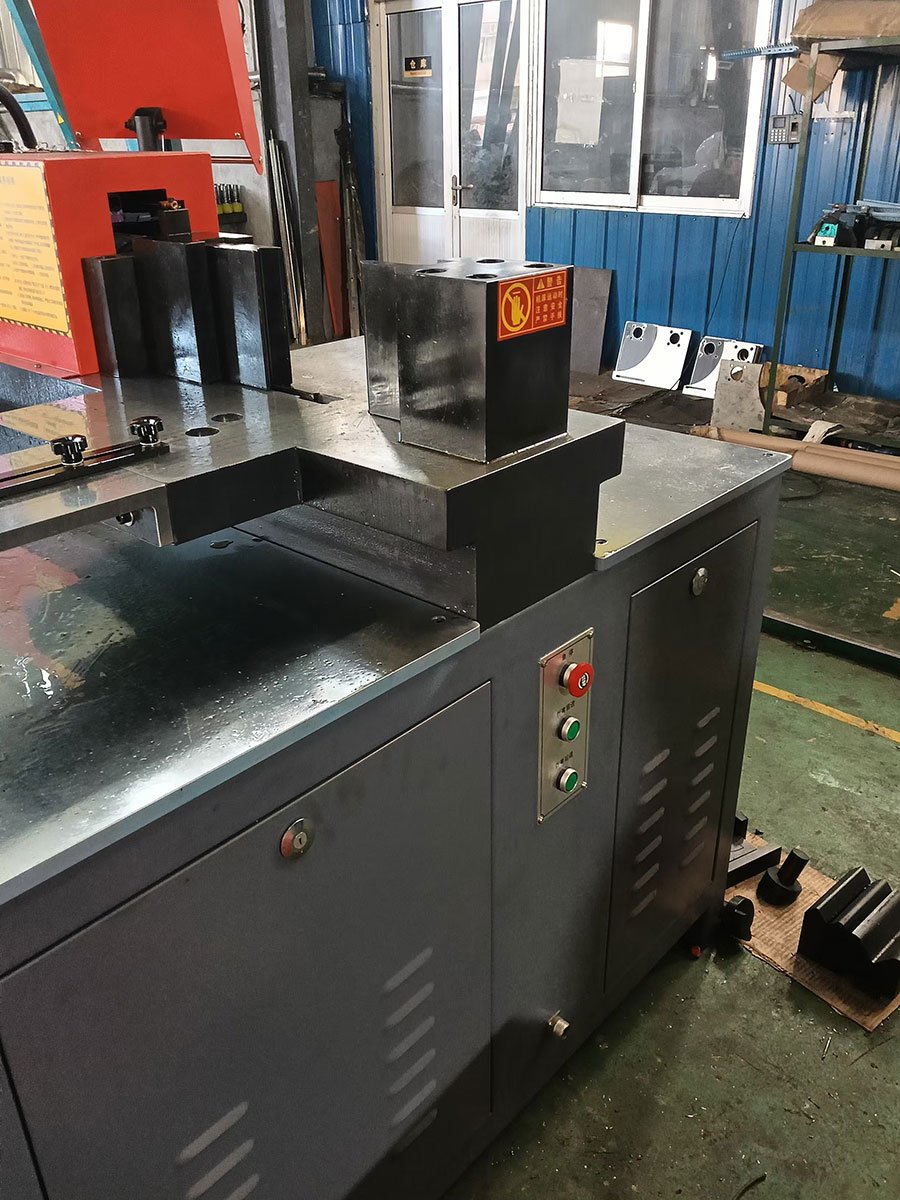
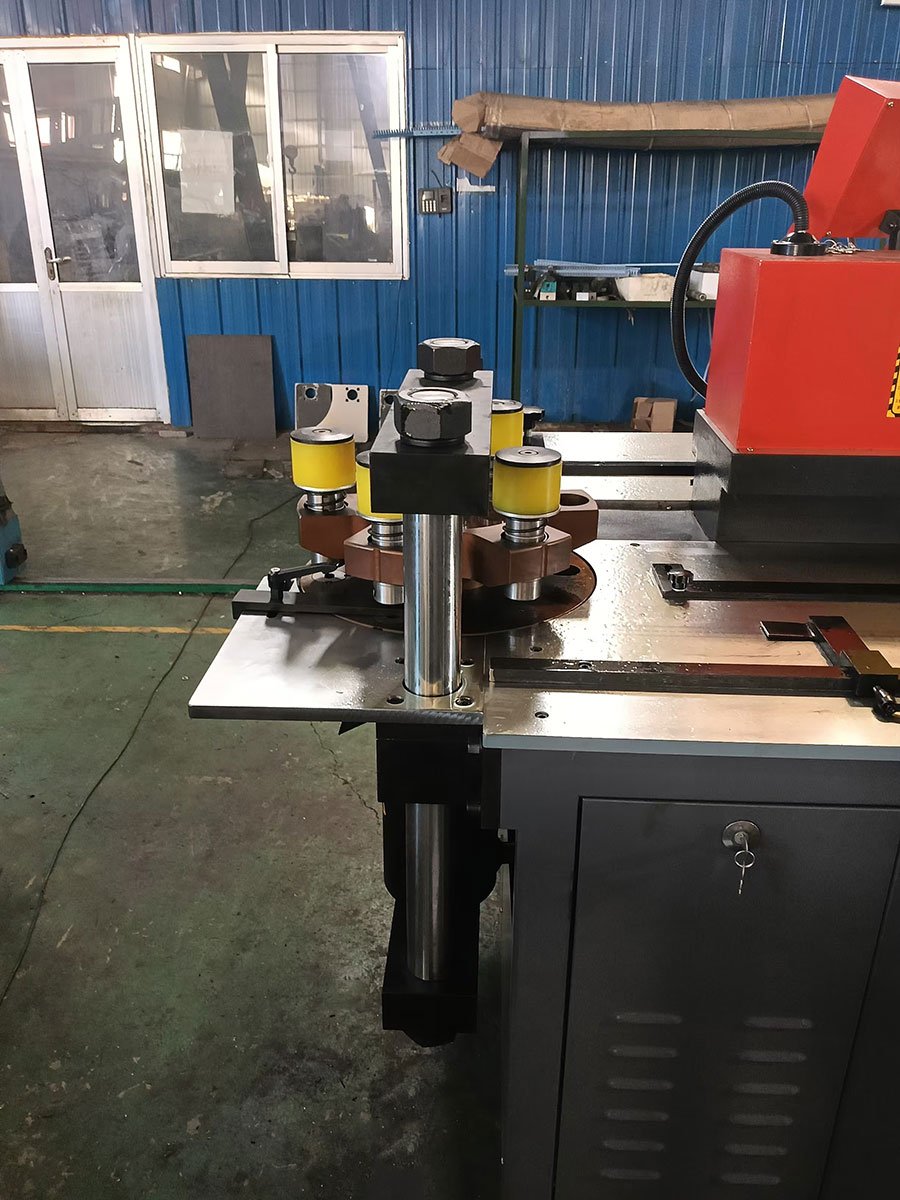
Busbar machines—designed to cut, punch, bend, and process busbars—have become indispensable in the manufacturing of electrical distribution equipment. They are used to produce components for switchgear, control cabinets, transformers, and countless other electrical systems that keep factories, cities, and infrastructure running.
Without advanced busbar processing, it would be impossible to meet today’s requirements for high performance, compact designs, and energy efficiency in electrical systems.
Understanding Busbar Machines: The First Step
Before one can fully benefit from a busbar machine, it is crucial to understand what it is, how it works, and what advantages it brings. Just as scientists study natural laws before applying them, engineers must study the principles and functions of busbar machines before applying them to production.
1. Core Functions
Busbar machines generally provide three main functions:
- Cutting – Accurately cutting copper or aluminum busbars to the required length with smooth edges.
- Punching – Creating precise holes for connections, assembly, and mounting.
- Bending – Forming busbars into exact shapes to fit the design of switchgear and cabinets.
High-quality machines integrate these processes, allowing manufacturers to complete all tasks in one workstation with minimal errors and maximum speed.
2. Types of Busbar Machines
There are manual, semi-automatic, and CNC (computer numerical control) busbar machines. CNC models, in particular, represent the cutting edge of busbar processing. With advanced software, they provide unmatched accuracy, consistency, and flexibility, reducing waste and improving productivity.
3. Materials and Precision
Because copper and aluminum are expensive materials, accuracy is crucial. Even small mistakes can result in costly waste. Modern machines are designed with precision engineering, ensuring that every cut, hole, or bend meets exact specifications.
By understanding these fundamentals, companies can select the right machine for their needs and train operators to achieve the best results.
The Transformation: From Understanding to Application
Once the principles are understood, transformation begins. For busbar machines, this transformation takes the form of efficiency, safety, and innovation in production.
1. Efficiency in Production
Modern busbar machines allow manufacturers to produce components at high speed without sacrificing accuracy. This efficiency reduces costs, shortens lead times, and helps companies remain competitive in global markets.
2. Safety and Reliability
Electrical equipment must be safe and reliable, as even small errors can lead to dangerous failures. Precision busbar processing ensures that all connections are accurate, surfaces are smooth, and parts fit perfectly. This minimizes the risk of overheating, sparking, or system failure.
3. Innovation and Customization
CNC busbar machines enable designers to create customized solutions. Whether for renewable energy projects, smart grids, or industrial automation, customized busbars can be produced with ease. This flexibility supports innovation across industries.
Busbar Machines in the Global Context
In today’s global economy, the demand for busbar processing machines is not limited to one region. Developing countries are expanding their infrastructure, while developed nations are upgrading to smart grids and renewable energy systems. Everywhere, there is a need for safe and efficient electrical distribution.
Chinese manufacturers, in particular, have emerged as important suppliers of busbar machines to international markets. Combining advanced technology with competitive pricing, they provide high-quality equipment to customers worldwide. For foreign trade, understanding both the product and its global relevance is key. By highlighting the importance of busbar machines in modern industry, suppliers can better connect with international buyers who seek efficiency, safety, and innovation.
The Human Mission and Industrial Tools: A Shared Path
The story of humanity’s pursuit of knowledge mirrors the role of busbar machines in modern industry. Humanity studies nature to adapt and transform it. Similarly, we study machines to adapt them to our needs and use them to transform industry.
This shared path teaches us that progress begins with understanding. Just as an engineer must understand the properties of copper before cutting it, humanity must understand the laws of physics before building airplanes or satellites. Knowledge is the foundation, and transformation is the result.
Looking to the Future
The future of busbar machines will follow the same trajectory as human progress: deeper understanding leading to greater transformation. Some key trends include:
- Automation and Digitalization – Integration with Industry 4.0, where busbar machines connect to smart factories for seamless production.
- Sustainability – Designing machines that minimize waste and support the use of recyclable materials.
- Global Collaboration – Sharing technology and expertise across borders to meet the growing global demand for reliable electrical systems.
These trends reflect not only the progress of machines but also the broader mission of humanity: to create a better, more efficient, and more sustainable world.
Conclusion
The ultimate mission of humanity is to understand the world and transform it. In the industrial sphere, busbar machines represent this same principle. By first understanding their structure, functions, and potential, manufacturers can then transform their production processes, improve efficiency, ensure safety, and innovate for the future.
As global demand for advanced electrical systems grows, busbar processing machines stand at the center of this transformation. They are not just tools of industry—they are a reflection of the human journey itself: from understanding to adaptation, and from adaptation to transformation.
For international buyers and industry leaders, the message is clear: understanding busbar machines today is the first step toward transforming the energy and electrical industries of tomorrow.