In the global electrical power distribution industry, copper busbars are irreplaceable—they form the backbone of switchgear, transformers, and control panels, enabling safe, reliable transmission of high currents. For manufacturers, installers, and contractors, accurate, efficient busbar processing is non-negotiable for producing high-quality electrical equipment. Yet traditional methods often fall short—especially for busbar bending and busbar punching. If your copper busbar bending accuracy is inconsistent or punching is misaligned, it’s time to upgrade to a modern solution: Bailipower’s three-station busbar machine.
This article breaks down the critical role of busbars in power systems, the flaws of outdated processing equipment, and how Bailipower’s advanced three-station busbar machine transforms accuracy, efficiency, and overall productivity.
1. The Critical Role of Busbars in Modern Power Systems
Busbars—flat strips of copper or aluminum—are the “circulatory system” of electrical infrastructure, used to conduct electricity in switchboards, distribution boards, substations, and industrial equipment. Unlike cables, busbars offer three key advantages:
- Compact layouts: Fit into tight electrical cabinets without sacrificing performance.
- Superior conductivity: Minimize energy loss, even when carrying high currents.
- Easy maintenance: Simplify inspections and repairs compared to bundled cables.
Since busbars handle high voltages and currents, precision in manufacturing and installation is mandatory. Poorly processed busbars cause overheating, electrical failures, or even safety hazards.
Key Busbar Processing Tasks (and Why They Matter)
Every step of busbar processing impacts final performance. The three core tasks are:
- Busbar cutting: Trimming busbars to exact lengths to avoid wasted space or misfit in cabinets.
- Busbar punching: Drilling perfectly aligned holes for connectors, fasteners, or fittings—misaligned holes break assembly timelines or compromise electrical contact.
- Busbar bending: Shaping busbars to fit cabinet contours without creating mechanical stress—even a 1° deviation can ruin fitment in switchgear.
Among these, bending and punching are the most precision-critical. Outdated tools often fail here, which is why modern workshops rely on integrated busbar machines.
2. Common Challenges in Traditional Busbar Processing
Most manufacturers still use manual labor or outdated semi-automatic machines for busbar processing—and these methods create avoidable problems:
| Challenge | Impact on Operations |
|---|---|
| Inconsistent bending angles | Busbars don’t fit switchgear, forcing rework or scrapping. |
| Misaligned punching holes | Assembly delays, poor electrical connections, or safety risks. |
| Excessive material waste | Expensive copper is scrapped due to errors, raising production costs. |
| Low productivity | Manual processing depends on operator skill—slow, inconsistent output across shifts. |
For businesses competing in electrical manufacturing (e.g., switchgear, renewable energy), these issues translate to higher costs, missed deadlines, and lost market share.
3. Why a Three-Station Busbar Machine Is a Game-Changer
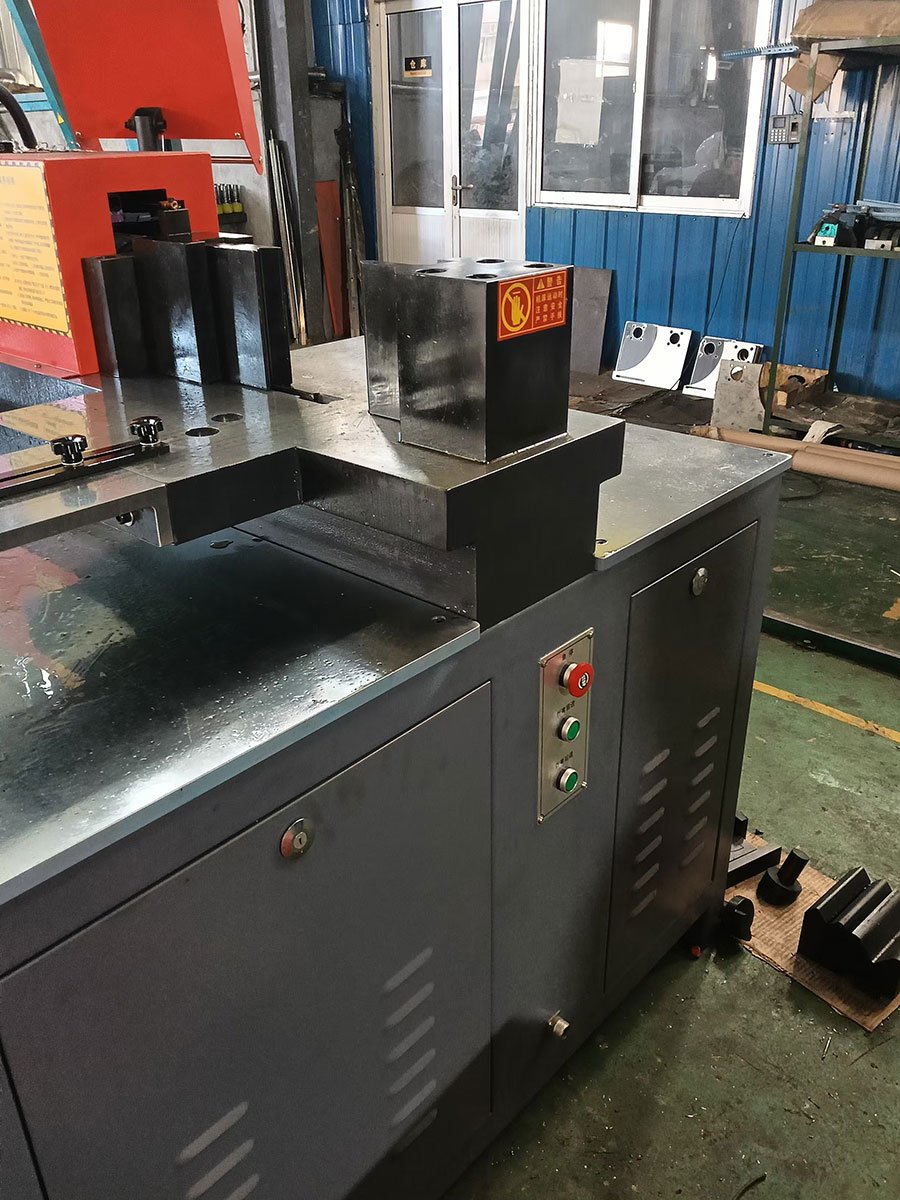
A three-station busbar machine eliminates traditional pain points by integrating cutting, punching, and bending into one compact, automated system. Instead of moving busbars between 2–3 separate machines, workers complete all tasks in a single workflow.
Here’s why this design outperforms traditional setups:
- Unmatched accuracy: Computer numerical control (CNC) ensures consistent bending angles (±0.1mm tolerance) and perfectly aligned punch holes—no more operator error.
- Faster production: Cut, punch, and bend in one setup—reduce processing time by 40% compared to separate machines.
- Space efficiency: A single unit replaces 3+ tools, saving 50% of workshop floor space.
- Reduced labor reliance: Automation minimizes skill gaps—new operators can master the machine in 1–2 days, ensuring consistent quality across shifts.
- Versatility: Handle copper/aluminum busbars of varying sizes (width: 10–200mm, thickness: 2–12mm) for switchgear, solar systems, and railway electrification.
4. Bailipower’s Three-Station Busbar Machine: Designed for Reliability
Bailipower is a trusted name in electrical equipment—its three-station busbar machine is engineered specifically to solve the needs of modern electrical manufacturers. Below are its standout features:
4.1 Integrated, Streamlined Design
The machine combines cutting, punching, and bending in one unit. Operators load a busbar, set parameters via the control panel, and let the machine handle the rest—no heavy lifting or tool switching. This reduces human error and cuts processing time by 30–50%.
4.2 High-Precision Bending for Perfect Fitment
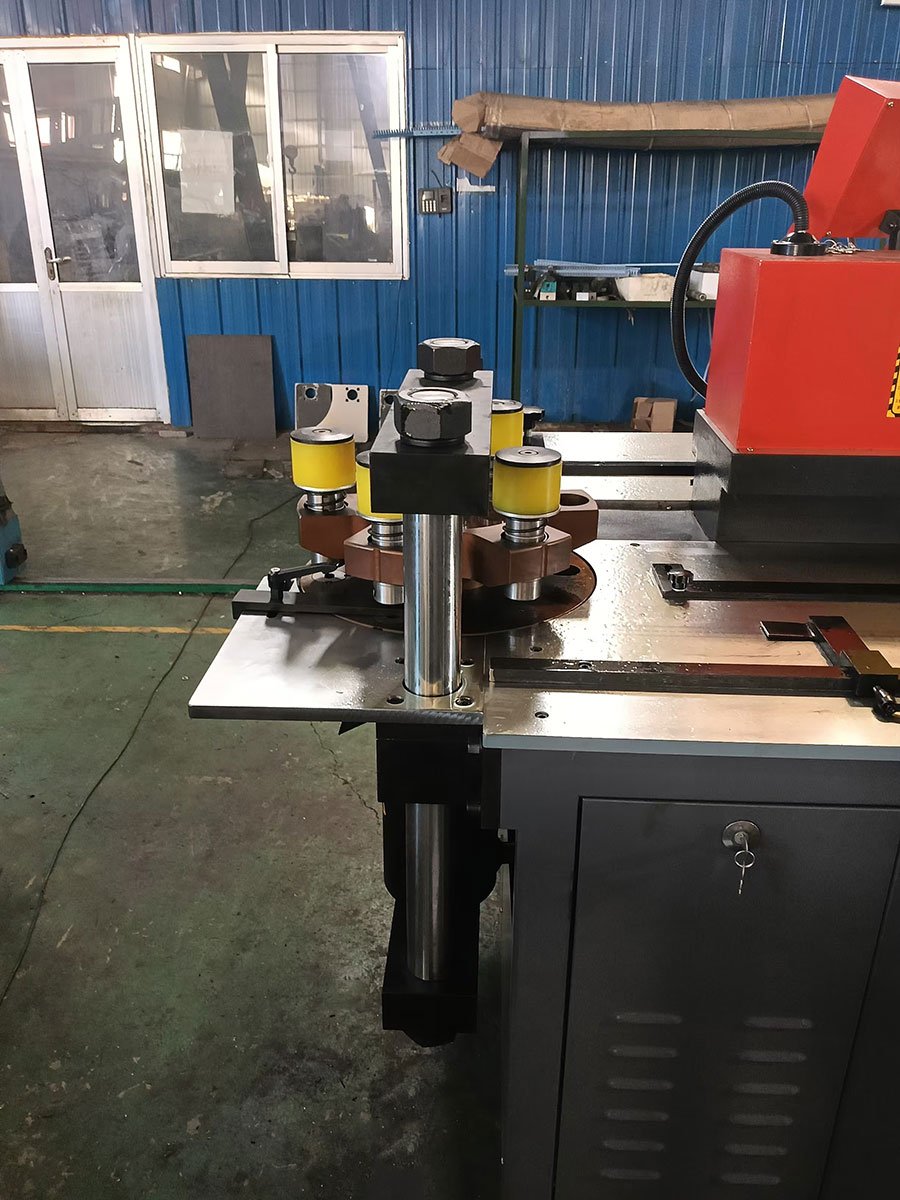
Bailipower’s bending station uses hydraulic controls and custom tooling to deliver:
- Consistent angles (even for complex bends like U-shapes or Z-shapes).
- No material deformation (critical for maintaining conductivity).
- Repeatability (same results for 100+ busbars in a row).
For switchgear manufacturers, this means every busbar fits first-time—no rework.
4.3 Fast, Burr-Free Punching
The punching station is optimized for speed and accuracy:
- Drills clean holes (no burrs) in 2–3 seconds per hole.
- Supports custom hole sizes (6mm–20mm) for different connectors.
- Aligns holes to ±0.05mm—eliminating assembly issues.
4.4 Durability for Heavy-Duty Use
Built with high-strength steel frames and industrial-grade components, the machine:
- Withstands 8+ hours of daily use (ideal for high-volume production).
- Requires minimal maintenance (annual servicing only).
- Comes with a 2-year warranty—Bailipower backs its reliability.
4.5 Easy-to-Use Control System
The intuitive touchscreen control panel lets operators:
- Save custom parameters (for repeat orders).
- Access step-by-step guides (reducing training time).
- Monitor production in real time (track output, errors).
Even operators with limited experience can produce professional results.
5. Industry Applications for Bailipower’s Three-Station Busbar Machine
This machine is tailored to industries where precise busbar processing is critical:
•Switchgear manufacturing: Process busbars for low/medium-voltage switchgear.
• Power distribution panels: Create busbars for commercial/industrial distribution boards.
• Renewable energy: Handle busbars for solar inverters and wind turbine controllers.
• Railway electrification: Manufacture busbars for train control systems.
• Heavy industry: Produce busbars for factory machinery and industrial control panels.
In every case, the machine ensures busbars meet industry standards (e.g., IEC, ANSI) for safety and performance.
6.Why Choose Bailipower Over Other Busbar Machine Brands?
The market is full of busbar machines—but Bailipower stands out for three reasons:
1.Customer-centric design: Bailipower works with manufacturers to solve their unique pain points (e.g., custom tooling for specific busbar sizes).
2. R&D investment: The company updates its machines yearly (e.g., adding IoT connectivity for remote monitoring) to keep up with industry trends.
3. Global support: Bailipower offers 24/7 technical support (via phone/email) and on-site service in 50+ countries—critical for foreign trade clients.
7.Conclusion: Upgrade to Bailipower for Precision and Efficiency
If your copper busbar bending accuracy is inconsistent, your punching is misaligned, or your production is too slow, Bailipower’s three-station busbar machine is the solution. It integrates cutting, punching, and bending into one reliable system—delivering:
•40% faster processing time.
• 99% accuracy (no scrap or rework).
• Lower labor and material costs.
In today’s competitive electrical industry, the right equipment defines success. Bailipower’s three-station busbar machine ensures your switchgear, panels, and energy systems meet the highest standards—keeping your customers happy and your business growing.