The Reasonable Manufacturing of Busbar Machines: Ensuring Efficiency and Cost-Effectiveness
The busbar machine industry has witnessed significant growth in recent years, driven by technological advancements and the increasing demand for efficient, reliable electrical systems. Busbar machines, which are essential in the production of busbars for electrical distribution, are complex pieces of equipment that require precision engineering and high-level performance. However, while manufacturers strive for technological excellence, it is crucial to focus on the reasonable manufacturing of busbar machines. In this context, “reasonable” does not mean compromising on quality but rather aligning the manufacturing process with real-world requirements, balancing cost, efficiency, and performance.
Understanding Busbar Machines: The Backbone of Electrical Systems
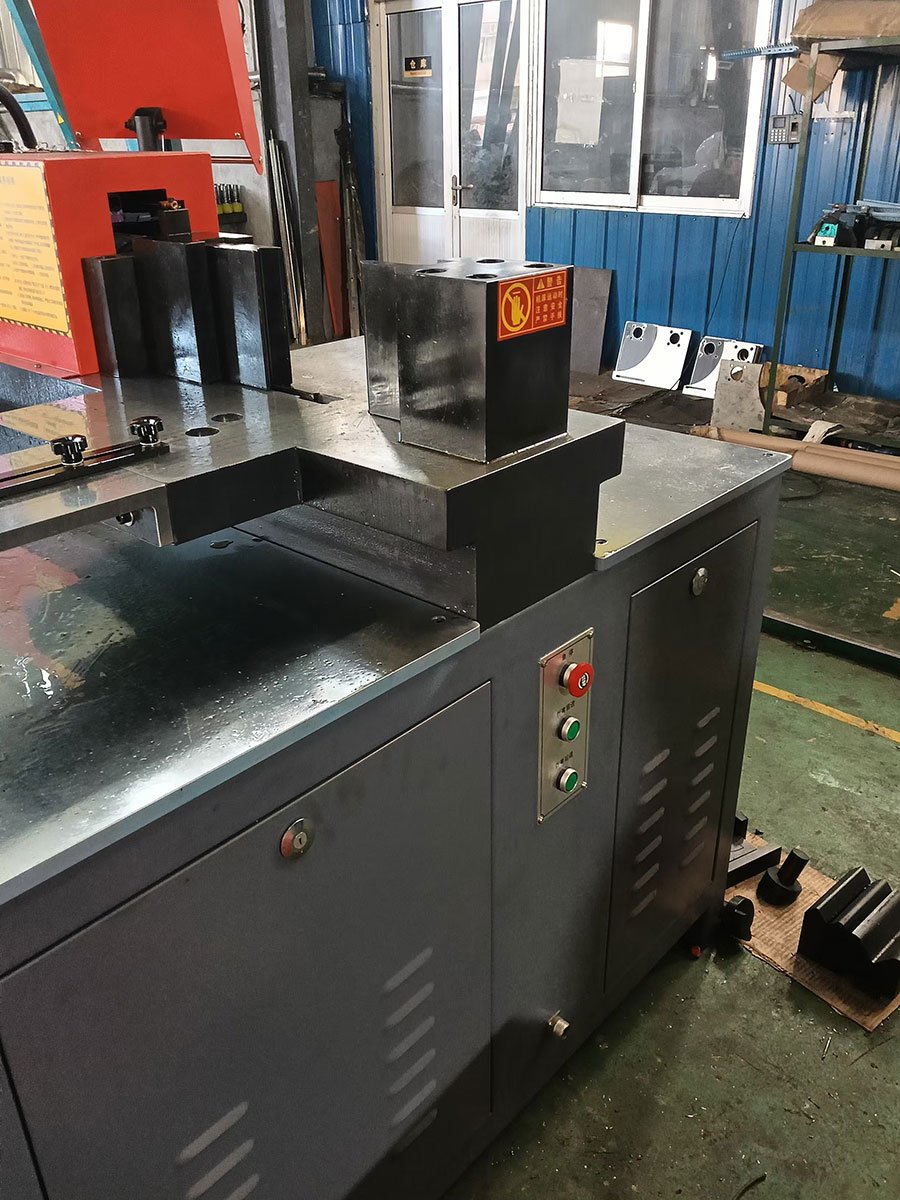
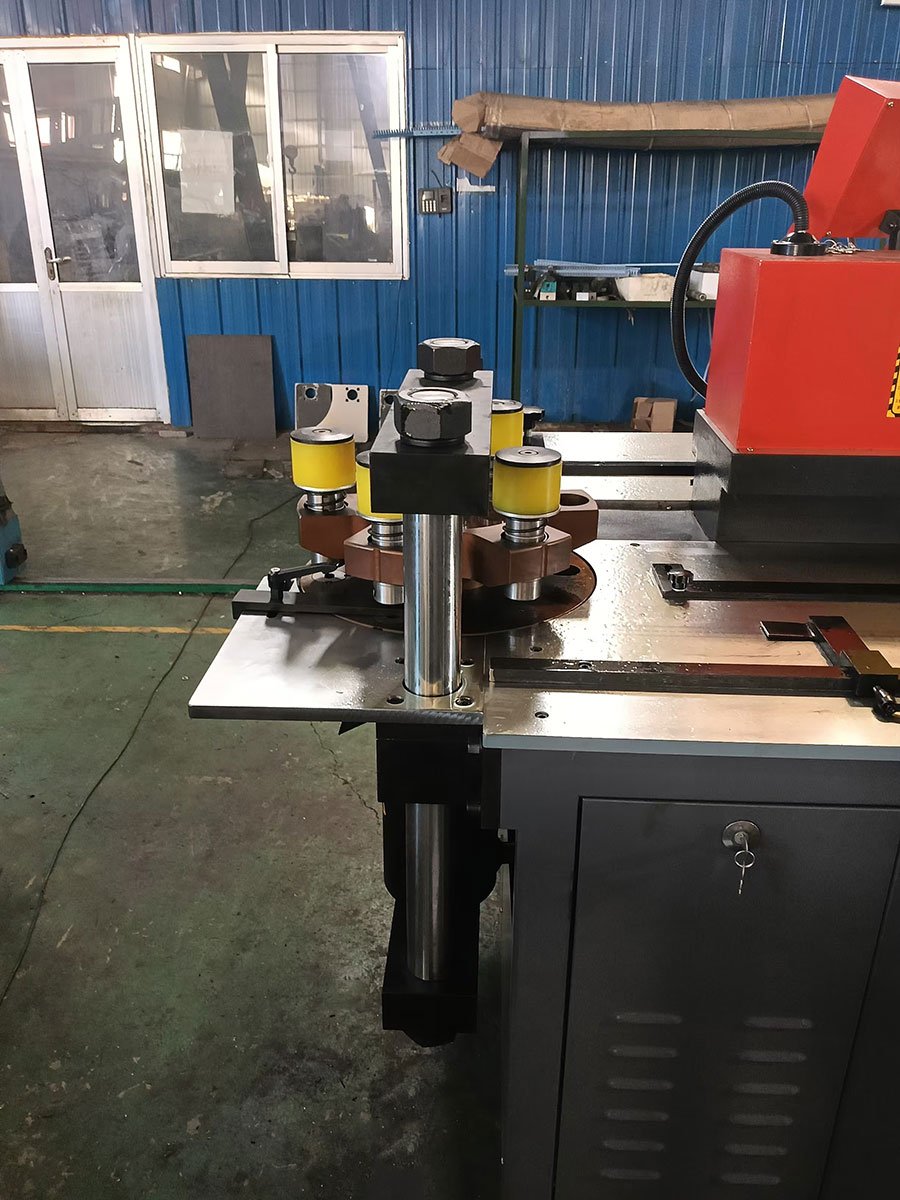
Busbars are metallic strips or bars used to conduct electricity within a switchboard, distribution board, or other electrical apparatus. Busbar machines are responsible for shaping, cutting, punching, and bending these busbars, creating components that meet strict specifications for electrical distribution networks. Their role is pivotal in industries like construction, manufacturing, and energy.
These machines come in a variety of configurations, but at their core, they serve one primary function: facilitating the production of high-quality busbars that can withstand electrical loads and maintain safety standards. While manufacturers often strive to achieve high precision in busbar machine production, it is essential to evaluate the reasoning behind these goals.
The Challenges of Achieving Perfect Accuracy
Manufacturers often advertise the incredible precision and accuracy of their busbar machines. Claims of ultra-high precision, down to micrometer-level tolerances, are common. However, such claims can be misleading and may not be entirely necessary. The true purpose of busbar machines is not to create components with laboratory-level precision, but to produce parts that function effectively and safely in real-world conditions.
In the context of busbar production, the need for extreme accuracy is limited. Electrical systems typically operate with tolerances that allow for minor variances in busbar dimensions. While accuracy is certainly important to prevent electrical failures or malfunctions, overly precise machines add unnecessary cost to the production process without significant benefits.
The focus of busbar machine manufacturing should therefore be on reasonable precision: enough to ensure the components meet safety and operational standards without over-engineering the machines or driving up costs. This principle applies to all aspects of the machine’s design and operation, from material selection to the machine’s control systems.
Cost-Effectiveness: A Key Factor in Busbar Machine Design
The cost-effectiveness of busbar machine manufacturing is another key consideration. While manufacturers may be tempted to use the latest technology and incorporate every possible feature into their machines, this often results in inflated prices for end users. In some cases, the additional features and complexities may not even add value to the production process, making the machines unnecessarily expensive.
A more reasonable approach involves assessing the core needs of the machine and focusing on features that directly contribute to productivity, safety, and longevity. For instance, some machines might come equipped with features like automatic adjustments, advanced diagnostics, or remote monitoring, but these features may not always justify their high price tags. By focusing on the most essential aspects of the machine’s design, manufacturers can provide customers with affordable, functional machines that deliver consistent results.
Sustainability in Manufacturing: A Growing Concern
As industries worldwide focus on sustainability, the busbar machine manufacturing sector must also adapt. The environmental impact of production processes should be considered, and manufacturers should seek ways to minimize waste, reduce energy consumption, and use recyclable or eco-friendly materials whenever possible.
Reasonable manufacturing practices involve a commitment to sustainability. This could mean using more energy-efficient components, minimizing material waste through optimized production techniques, or designing machines that require fewer resources over their lifespan. Such efforts not only reduce the environmental impact of manufacturing but also help lower operational costs for the end users of the machines.
Moreover, sustainability can be factored into the maintenance and longevity of the machines. Well-maintained machines that last longer require fewer replacements, leading to a reduction in the overall environmental footprint.
Innovation vs. Tradition: Striking a Balance
Another critical aspect of reasonable manufacturing is balancing innovation with traditional manufacturing processes. While it’s important to stay ahead of technological trends, traditional manufacturing techniques still offer significant value in terms of durability, simplicity, and ease of maintenance.
For example, automated features and smart technology may enhance a busbar machine’s capabilities, but these innovations should be evaluated against their cost and complexity. Machines that are overly complex may require specialized training, more frequent repairs, or higher maintenance costs, detracting from their overall value.
Reasonable manufacturers recognize that innovation should be integrated in a way that provides clear, tangible benefits to the user. This means evaluating whether the new technologies will significantly improve productivity, safety, or ease of use without introducing unnecessary complexity.
Optimizing Reliability and Downtime Minimization
Reliability is a critical factor for any manufacturing process, and this is especially true for busbar machines. These machines must be operational for long periods, as any downtime can lead to delays in production and additional maintenance costs. The reliability of a machine depends on the design, the quality of materials, and the manufacturing processes used.
A reasonable approach to busbar machine manufacturing is to prioritize reliability over cutting-edge technology when possible. By focusing on tried-and-tested engineering practices and ensuring that machines are durable and easy to maintain, manufacturers can create machines that have long lifespans and require minimal downtime.
Conclusion: The Future of Reasonable Busbar Machine Manufacturing
In conclusion, the manufacturing of busbar machines must be reasonable in its approach to precision, cost, sustainability, and innovation. Rather than pursuing unrealistic levels of accuracy or adding unnecessary features, manufacturers should focus on delivering machines that meet the practical needs of the industry. By balancing innovation with cost-effectiveness, ensuring reliability, and considering the environmental impact, manufacturers can create busbar machines that are not only high-performing but also affordable and sustainable.
The future of busbar machine manufacturing lies in the pursuit of practical, smart engineering—machines that combine efficiency, durability, and cost-effectiveness, all while ensuring that the needs of the electrical industry are met with reliability and precision.