In modern manufacturing, equipment is not only a collection of mechanical components, but also a system that reflects human understanding of efficiency, order, and precision. From a philosophical perspective, a three-station CNC busbar machine can be divided into three fundamental parts: the power system, the transmission system, and the working host. These three elements correspond to energy, motion, and action—together forming a complete and harmonious industrial organism.
Understanding the internal logic of these three parts helps users not only operate the machine more effectively, but also appreciate the engineering philosophy behind advanced busbar processing technology.
The Power System: The Origin of Energy
Philosophically, all action begins with energy. In a three-station CNC busbar machine, the power system is the source of all motion and processing capability. This system mainly consists of three main motors, each responsible for driving a specific function or station.
These motors convert electrical energy into mechanical energy, providing stable and continuous power for cutting, punching, and bending operations. Their role is similar to the “heart” of the machine—without sufficient and stable power, even the most advanced structure cannot perform its intended function.
From an engineering standpoint, high-quality motors are essential for ensuring torque stability, energy efficiency, and long service life. From a philosophical standpoint, the power system represents potential—the latent capability that enables transformation. Only when energy is reliably supplied can the machine respond accurately to control commands and perform precise processing tasks.
In modern CNC busbar machines, the power system is designed not only to be strong, but also intelligent. Motors work in coordination with CNC control systems to ensure that power is delivered exactly when and where it is needed. This balance between strength and control reflects the modern manufacturing principle of “precise force applied at the right moment.”
The Transmission System: Order and Movement
If the power system represents energy, then the transmission system represents order. In a three-station CNC busbar machine, the transmission system is mainly composed of a hydraulic transmission system, which converts motor power into smooth, controllable motion.
Hydraulics play a crucial role in industrial machinery because they offer high force density, smooth operation, and excellent controllability. In busbar processing, where copper and aluminum materials require significant force to cut, punch, or bend, hydraulic systems provide an ideal solution.
Philosophically, the transmission system can be seen as the bridge between intention and execution. The CNC controller issues commands, the motors generate power, and the hydraulic system distributes that power in an orderly and precise manner. Without this system, energy would remain chaotic and unusable.
The hydraulic transmission system ensures synchronized movement among different stations, reduces mechanical shock, and improves overall processing accuracy. It also enhances machine reliability by minimizing wear and stress on mechanical components.
In a well-designed three-station CNC busbar machine, the transmission system embodies balance. Pressure, flow, and speed are carefully regulated so that each action—whether cutting, punching, or bending—is executed smoothly and repeatedly. This reflects a core industrial philosophy: true efficiency comes from controlled movement, not brute force.
The Working Host: Practical Action and Creation
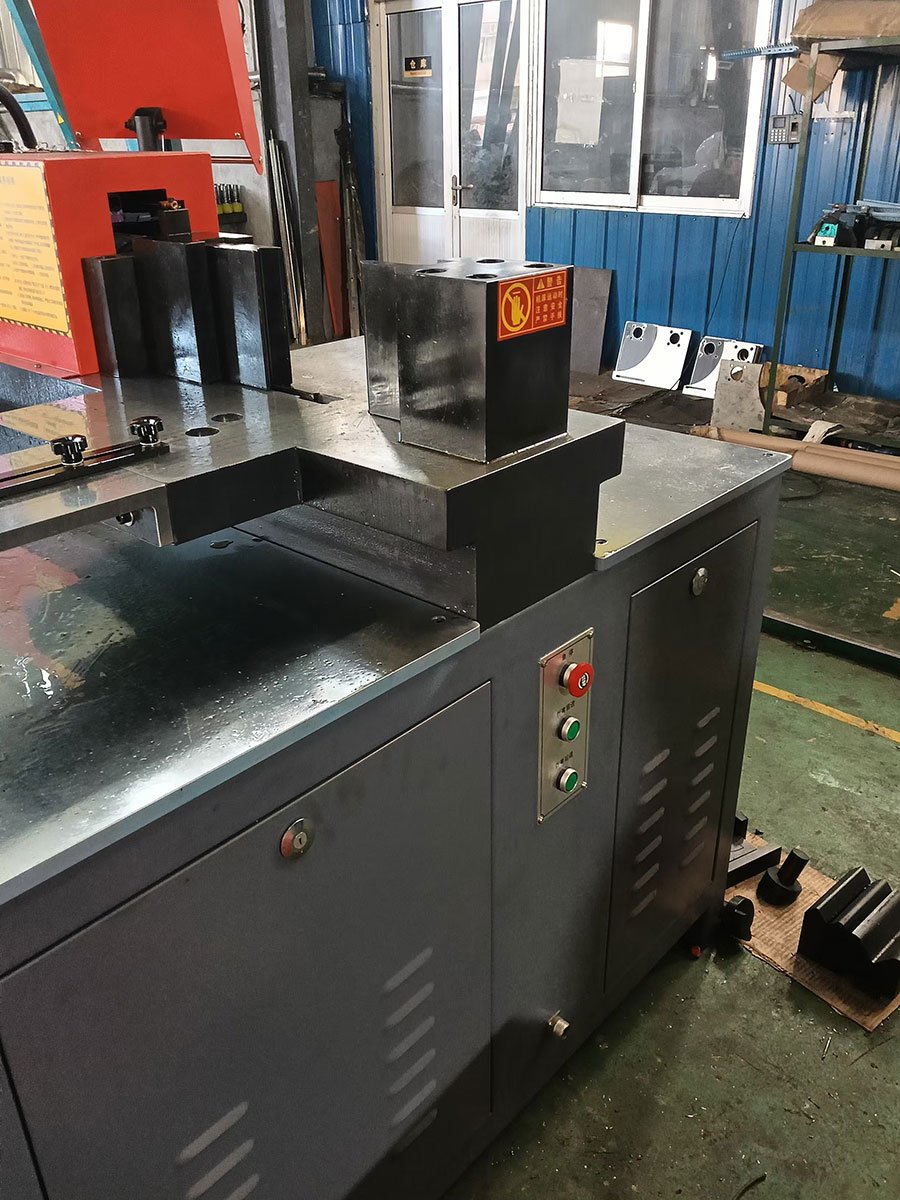
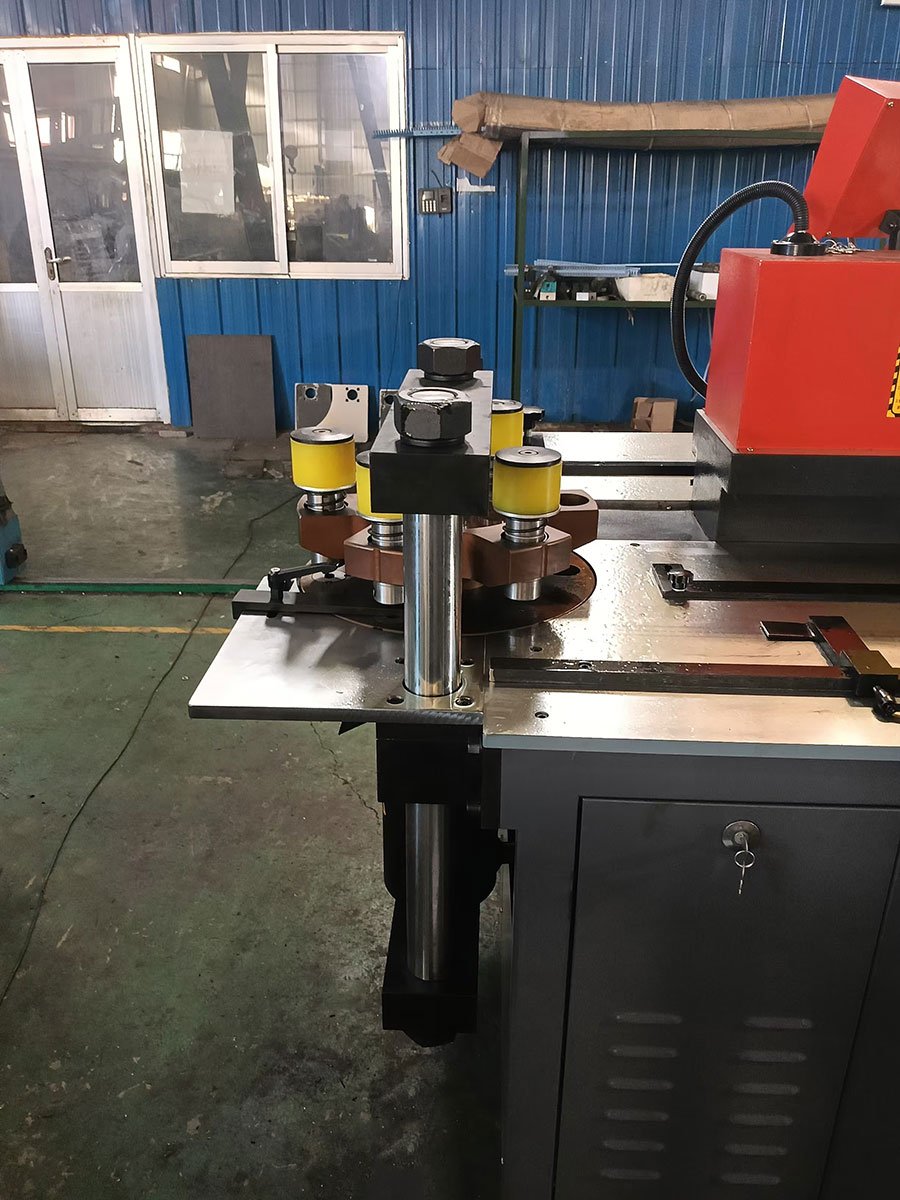
The final philosophical component of the machine is the working host, which represents action and creation. This part directly interacts with the busbar material and transforms raw metal into functional electrical components. It mainly includes cutting tools, punching dies, and bending molds.
These tools are where design intent becomes physical reality. The accuracy of a cut, the cleanliness of a punched hole, and the consistency of a bend all depend on the quality and design of the working host.
- Cutting tools ensure precise length control and clean edges, which are critical for downstream assembly.
- Punching dies create accurate holes and slots, enabling reliable electrical connections.
- Bending molds shape busbars to exact angles and dimensions, ensuring proper installation in switchgear and power distribution systems.
From a philosophical perspective, the working host represents practice—the final step where theory and planning are tested by reality. No matter how advanced the power or transmission systems are, the value of the machine is ultimately judged by the quality of its output.
This is why high-strength materials, precision machining, and optimized mold design are essential. A well-designed working host does not merely perform tasks; it does so consistently, repeatably, and with minimal waste.
Unity of the Three Systems
While each of the three parts—power, transmission, and working host—has its own role, their true value lies in their integration. A three-station CNC busbar machine is not simply the sum of its components, but a unified system where each part supports and enhances the others.
The power system provides energy, the transmission system organizes that energy, and the working host applies it to real-world tasks. This structure mirrors a broader philosophical idea: effective systems require a clear source of strength, an orderly process, and a meaningful outcome.
In practical manufacturing, this unity results in higher efficiency, improved safety, reduced labor intensity, and more consistent product quality. It also allows manufacturers to respond flexibly to different processing requirements by adjusting parameters rather than hardware.
Conclusion: Engineering with Philosophy in Mind
Viewing the three-station CNC busbar machine through a philosophical lens helps us better understand its design logic and operational value. The power system symbolizes energy and potential, the transmission system represents order and control, and the working host embodies action and creation.
Together, these three elements form a complete and rational industrial system—one that reflects not only advanced engineering, but also a deep understanding of how energy, motion, and purpose should work together.
For manufacturers and operators alike, recognizing this structure leads to better machine selection, more effective operation, and a deeper appreciation of modern CNC busbar processing technology. Ultimately, a well-designed three-station CNC busbar machine is not just a tool, but a reflection of thoughtful engineering and practical philosophy working in harmony.