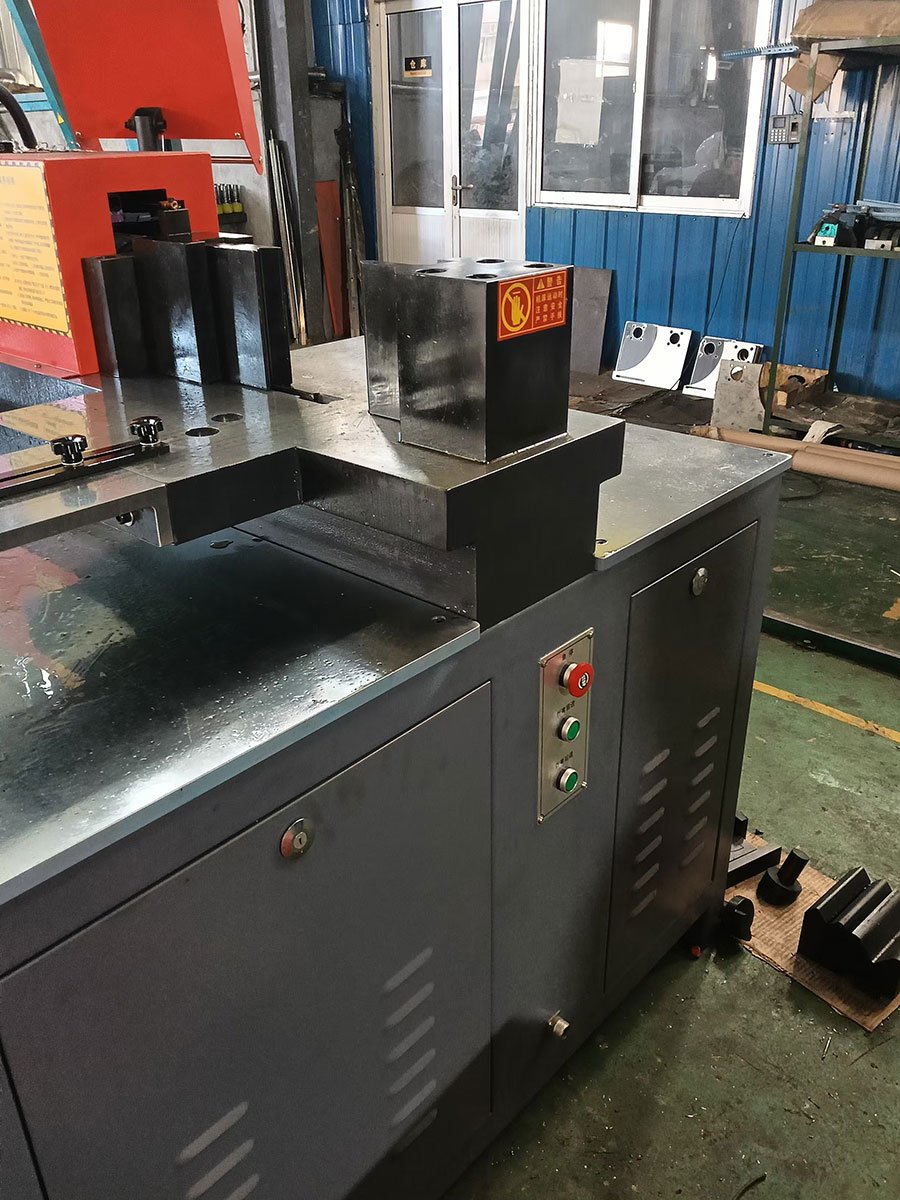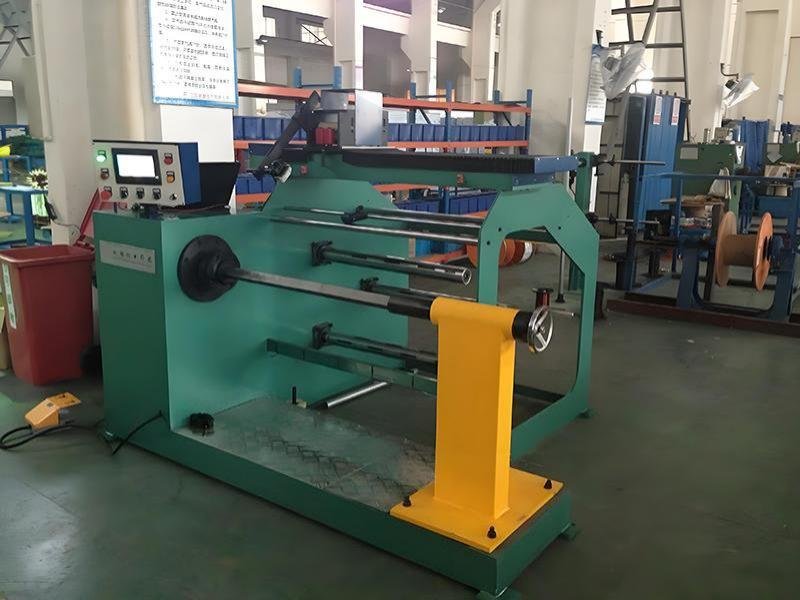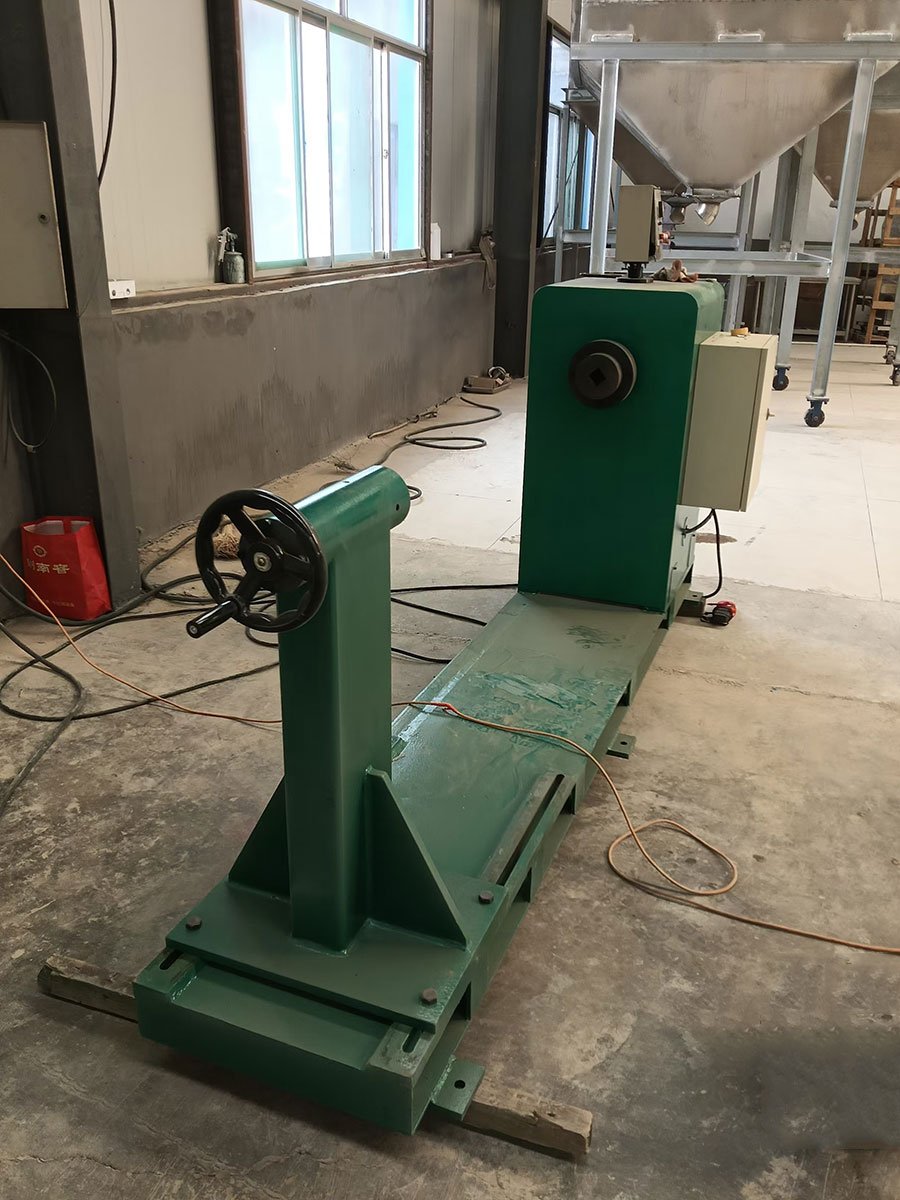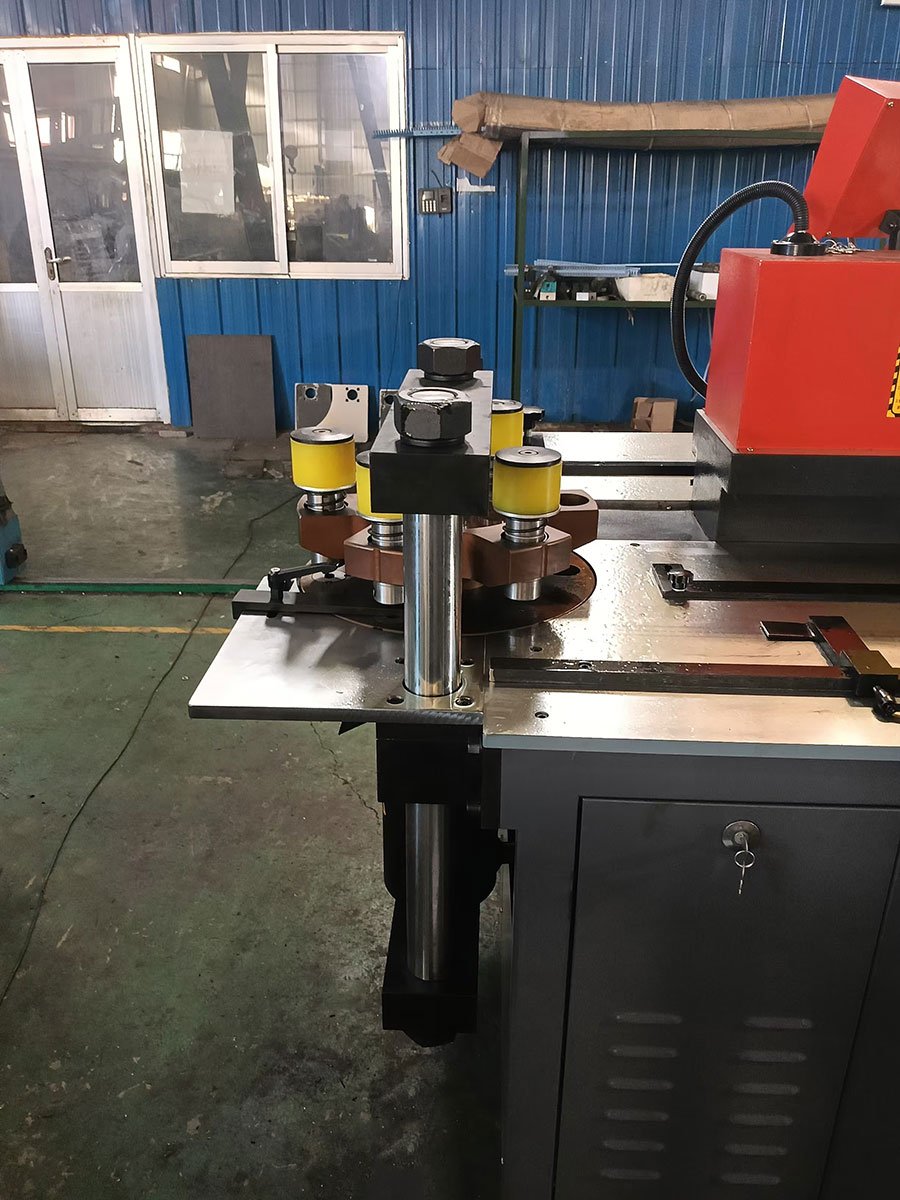
In modern electrical and energy systems, transformers play a vital role in power transmission, distribution, and utilization. From large power grids and industrial facilities to renewable energy systems and consumer electronics, transformers are indispensable components. At the heart of every transformer lies a carefully designed coil, and the quality of that coil directly determines the performance, efficiency, and reliability of the transformer. This is where the coil winding machine becomes essential. The main function of a coil winding machine is to wind transformers with accuracy, consistency, and efficiency, ensuring that each transformer meets strict technical and safety requirements.
Understanding Transformer Coils
A transformer works by transferring electrical energy between circuits through electromagnetic induction. This process relies on primary and secondary coils wound around a magnetic core. The number of turns, the spacing between wires, the tension of the conductor, and the insulation structure all influence voltage ratios, current capacity, thermal behavior, and long-term stability.
Manual coil winding, once common in early transformer manufacturing, is no longer sufficient to meet today’s demands for precision and mass production. Even small deviations in winding parameters can result in energy losses, excessive heat, noise, or premature failure. As a result, coil winding machines have become a core piece of equipment in transformer production lines.
The Core Function of a Coil Winding Machine
The primary function of a coil winding machine is to wind conductive materials—such as copper or aluminum wire or strip—into precise coils used in transformer manufacturing. This process involves several critical tasks:
- Accurate Turn Control
A coil winding machine ensures that the exact number of turns is achieved according to the transformer design. Advanced control systems allow operators to set and monitor turn counts digitally, eliminating human error and ensuring repeatability across batches. - Consistent Winding Tension
Proper tension is essential for transformer coils. If the tension is too low, the coil may be loose and unstable; if too high, the conductor or insulation may be damaged. Coil winding machines are designed to maintain stable, adjustable tension throughout the winding process, ensuring mechanical integrity and electrical performance. - Precise Layering and Alignment
Transformer coils often consist of multiple layers that must be evenly distributed. A coil winding machine controls the lateral movement of the wire or strip, guaranteeing uniform spacing and alignment. This precision improves insulation reliability and reduces the risk of short circuits. - Integration with Insulation Processes
Many transformer designs require insulation paper, film, or tape to be applied between layers or turns. Modern coil winding machines can integrate insulation placement into the winding process, increasing efficiency and ensuring consistent insulation quality.
Importance in Transformer Performance
Because the coil is the core functional element of a transformer, the quality of winding has a direct impact on overall performance. A high-quality coil winding machine helps achieve:
- Higher Energy Efficiency: Precise winding reduces resistive losses and leakage flux, improving transformer efficiency.
- Improved Thermal Management: Uniform coils allow better heat dissipation, extending transformer lifespan.
- Lower Noise Levels: Accurate and tight winding reduces vibration and electromagnetic noise.
- Enhanced Reliability and Safety: Consistent insulation and mechanical stability reduce the risk of faults and failures.
In industries such as power generation, rail transportation, renewable energy, and industrial automation, these advantages are critical. A reliable transformer starts with a precisely wound coil.
Automation and Modern Coil Winding Technology
With the advancement of automation and digital control, today’s coil winding machines are far more sophisticated than their predecessors. CNC (Computer Numerical Control) and servo-driven systems allow for high levels of customization and control. Operators can store winding programs for different transformer models, quickly switch between production tasks, and monitor real-time data such as speed, tension, and turn count.
Automation also significantly improves production efficiency. A single coil winding machine can operate continuously with minimal supervision, reducing labor costs while increasing output. For manufacturers serving global markets, this consistency is essential to meeting international standards and customer expectations.
Flexibility for Different Transformer Types
Transformers come in many forms, including power transformers, distribution transformers, control transformers, and special-purpose transformers. Each type has unique winding requirements in terms of wire size, coil geometry, and insulation structure.
The main function of a coil winding machine remains the same—winding transformer coils—but modern machines are designed to be highly flexible. By adjusting parameters and tooling, one machine can accommodate different conductor materials, diameters, and winding patterns. This flexibility makes coil winding machines valuable assets for manufacturers seeking to diversify their product lines.
Supporting Quality Control and Standardization
In today’s competitive manufacturing environment, quality control is as important as productivity. Coil winding machines contribute directly to standardization by ensuring that each transformer coil is produced according to the same specifications. Digital monitoring and data recording allow manufacturers to trace production parameters, identify potential issues, and continuously improve processes.
This level of control is especially important for transformers used in critical infrastructure, where failures can have serious economic and safety consequences. A reliable coil winding machine is therefore not just a production tool, but also a cornerstone of quality assurance.
The Strategic Role of Coil Winding Machines
From a broader perspective, the coil winding machine plays a strategic role in the transformer manufacturing industry. As global demand for electricity grows and renewable energy systems expand, the need for efficient and reliable transformers continues to increase. Coil winding machines enable manufacturers to scale production while maintaining high standards of precision and performance.
Moreover, advances in materials and transformer design—such as higher efficiency cores and compact structures—place even greater demands on winding accuracy. Coil winding machines evolve alongside these trends, supporting innovation and technological progress in the power industry.
Conclusion
In summary, the main function of a coil winding machine is to wind transformers with precision, consistency, and efficiency. By controlling turn count, tension, alignment, and insulation integration, coil winding machines ensure that transformer coils meet strict design and performance requirements. Their role is fundamental to transformer efficiency, reliability, and safety.
As transformer technology continues to advance and global energy demands grow, coil winding machines will remain indispensable in modern manufacturing. Investing in high-quality coil winding equipment is not only a matter of production efficiency, but also a commitment to quality, innovation, and long-term reliability in the transformer industry.