The First Step in Busbar Machine Design Is to Be Scientific
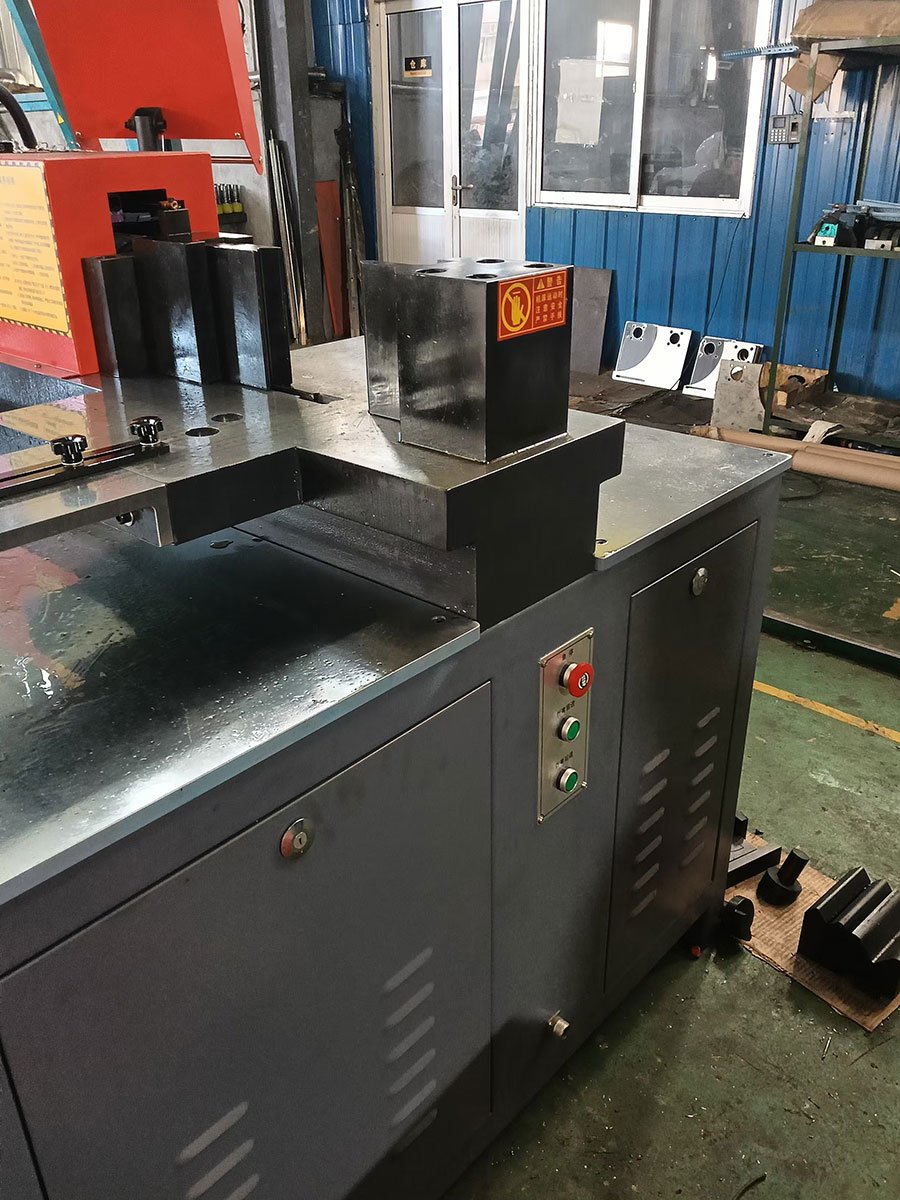
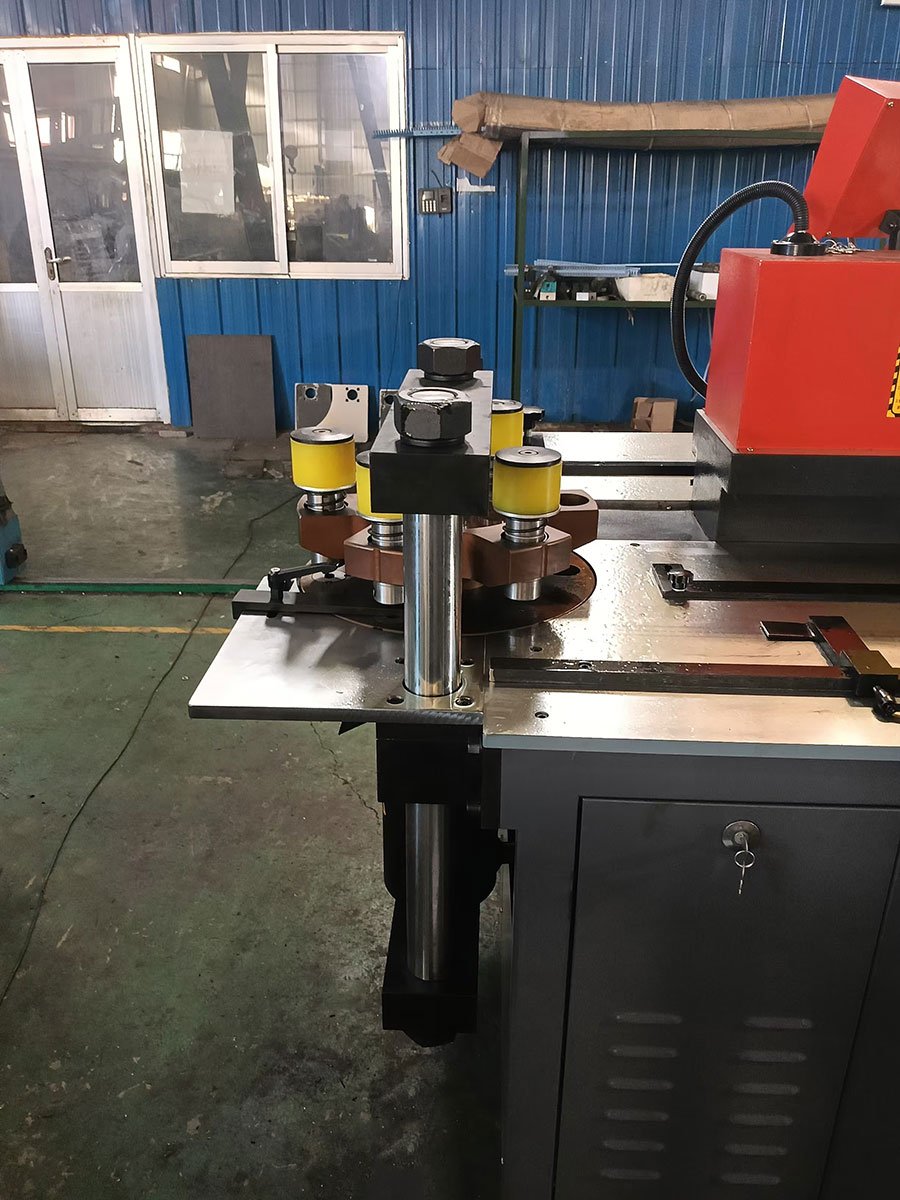
In modern electrical manufacturing, busbar processing machines form the core of efficient power distribution and switchgear production. They perform vital functions—bending, punching, and cutting copper and aluminum busbars—while maintaining consistency and strength.
Yet despite technological progress, many designs still begin with imitation or marketing-driven ideas instead of scientific reasoning. The truth is simple: the first step in busbar machine design must be scientific, because science brings clarity, repeatability, and reliability.
1. Understanding the Nature of Busbar Processing
To design effectively, engineers must first understand what the machine truly does and where it operates. A busbar processing machine works under heavy force, repetitive cycles, and variable environments. Heat, vibration, and operator behavior all influence its performance.
Scientific design begins with understanding the environment and defining clear functions. Every mechanical component and software module should be based on measurable engineering principles—not assumptions or marketing trends. Copying existing designs without comprehension is not innovation; it’s stagnation.
2. Data-Driven Decision Making
Science runs on data. Real-world testing—on bending angles, punching pressure, and feed speed—provides the foundation for sound decisions. Reliable design depends on numbers gathered from experiments and feedback, not from guesswork.
A scientific designer uses simulation, measurement, and validation. For instance, in busbar bending, finite element analysis (FEA) can predict deformation patterns. Designers can then compare simulated results with real data to refine die geometry and control parameters. This is how data transforms into durability.
3. Rejecting Marketing Illusions
Some manufacturers exaggerate “ultra-high precision” or “intelligent automation.” But no machine can surpass the limits of physics or human handling. In real production, temperature changes, tool wear, and copper expansion all introduce variations greater than 0.01 mm.
Being scientific means being honest about limits. Users don’t need unrealistic precision—they need stability, reliability, and longevity. A scientifically designed busbar machine may not boast headline-grabbing claims, but it delivers consistent performance day after day.
4. Balancing Simplicity and Functionality
Science values simplicity and efficiency. Overly complex machines are costly, fragile, and difficult to maintain. A sound design includes only what’s necessary—each sensor, valve, and circuit must serve a clear purpose.
The most effective busbar machines focus on structural rigidity, ergonomic operation, and easy maintenance. If a feature doesn’t improve performance or safety, it shouldn’t exist. In engineering, as in nature, the simplest systems are often the most stable.
5. Continuous Testing and Improvement
No design is perfect on the first try. A scientific process relies on continuous testing and iteration. Field feedback—whether about bending precision or hydraulic performance—should be analyzed and acted upon.
Each issue becomes an opportunity to refine design logic. This cycle of testing, learning, and improvement is how a manufacturer evolves from a fabricator to a true innovator. Science is progress in motion.
6. The Human Element in Scientific Design
Science may drive technology, but machines are built for people. A scientific approach includes human factors—safety, comfort, and usability. The interface should be intuitive, the maintenance path clear, and the system safe under all conditions.
The best designs harmonize technology with the operator’s understanding. When people and machines work naturally together, productivity rises and errors fall.
7. Building a Scientific Culture
Being scientific isn’t just a method; it’s a company culture. Every engineer, technician, and manager must value truth over authority and data over opinion. Problems should be studied, not hidden.
Such a mindset fuels genuine progress. It’s the same spirit that has advanced all of human industry—from the invention of electricity to modern automation.
Conclusion: Science Leads to Reliability
The first step in busbar machine design is to be scientific—because science ensures understanding, honesty, and continuous improvement. Machines born from science don’t chase perfection in numbers; they achieve perfection in reliability.
In the long term, the most successful manufacturers won’t be those with the loudest marketing, but those with the most scientific mindset—committed to truth, function, and the pursuit of excellence.