In modern manufacturing, automation and efficiency are the backbone of industrial progress. Among the many components of electrical systems, the busbar plays a vital role in power distribution. Its processing quality directly determines the safety, stability, and durability of switchboards and control panels.
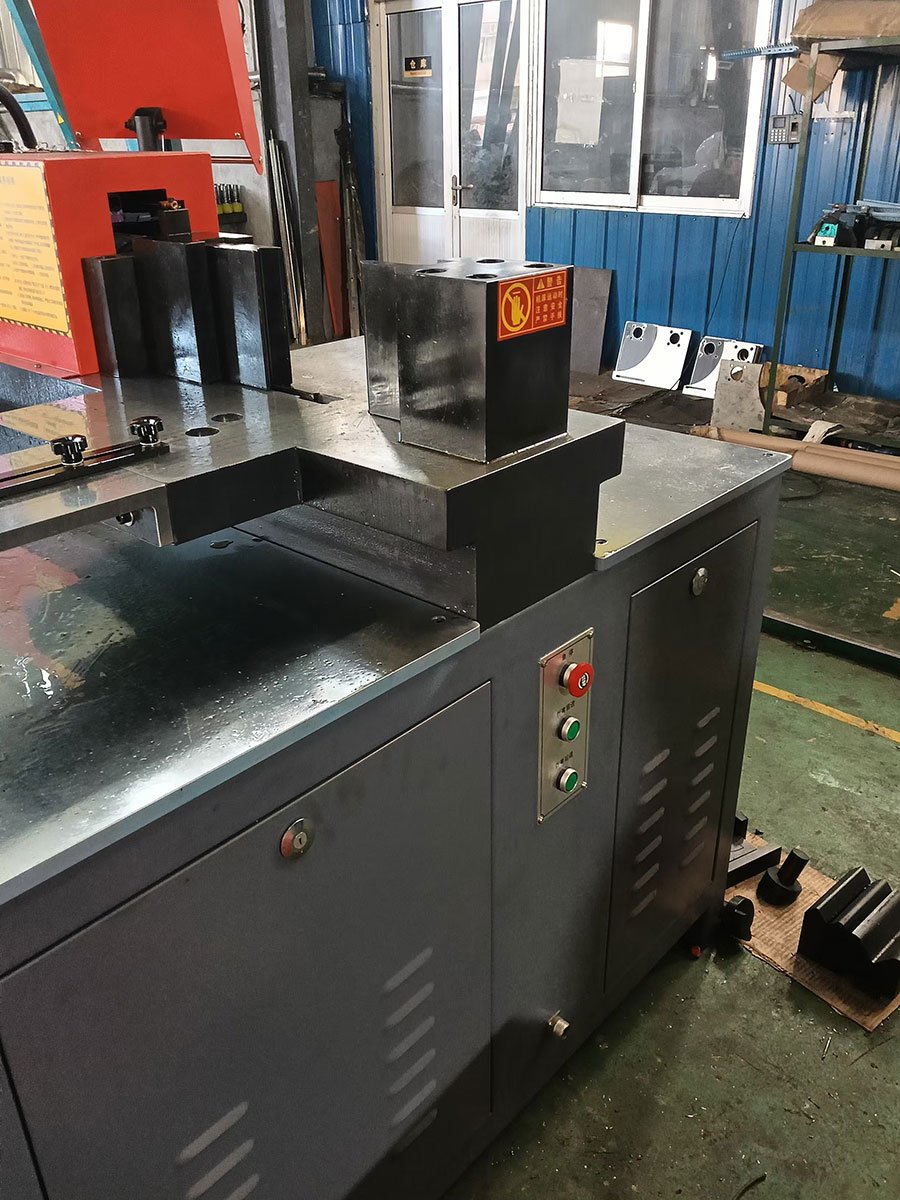
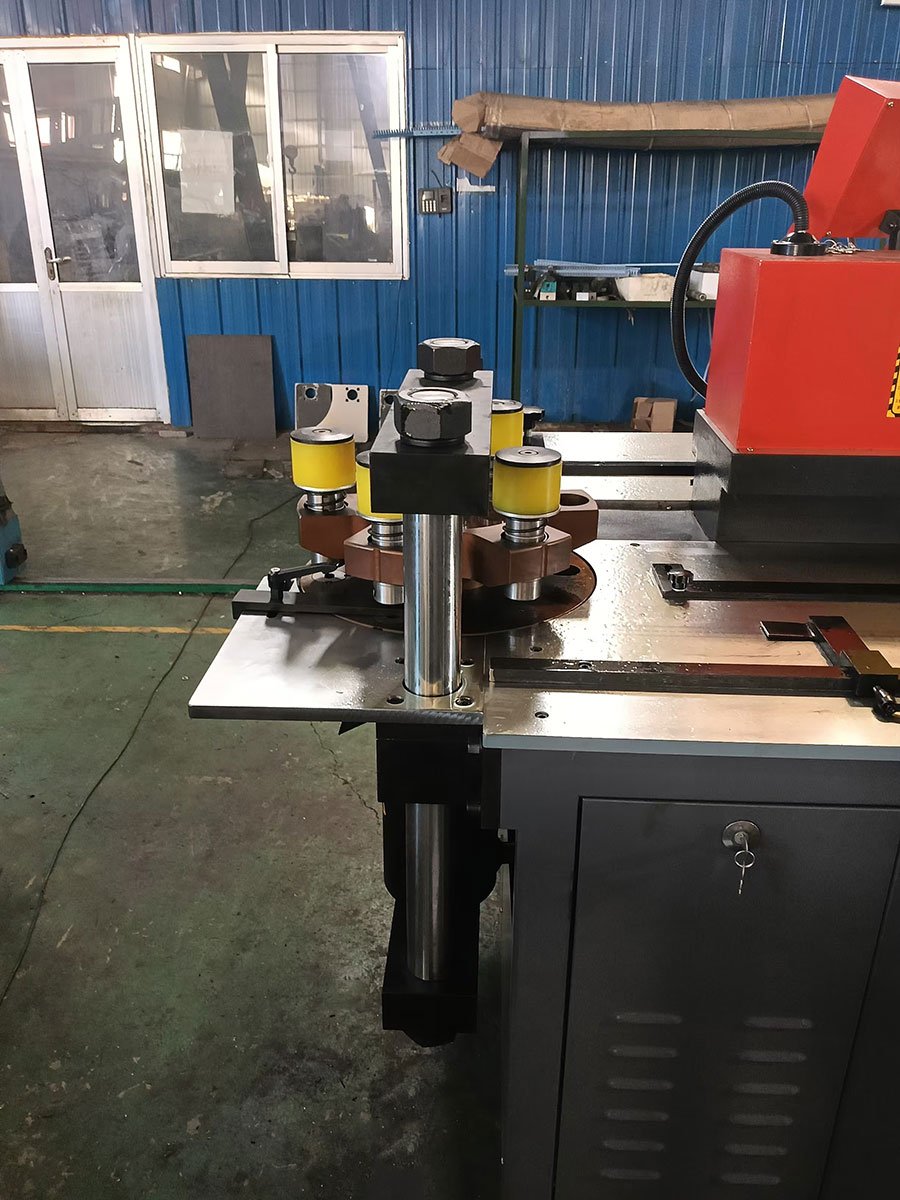
To produce high-quality busbars, industries rely heavily on busbar machines—advanced equipment that performs flexión, punzonadoy corte operations. Yet, despite rapid technological progress, one fundamental principle must not be overlooked: the busbar machine must be feasible in production.
A machine that performs beautifully in theory but fails under real manufacturing conditions brings no value. Production feasibility ensures that every operation—bending, punching, and cutting—can be executed smoothly, economically, and reliably in daily use.
1. Understanding Production Feasibility
Production feasibility is not about sophistication; it’s about practicality. It means the machine can run continuously under factory conditions, handle variations in material, and maintain consistent quality without excessive adjustment or downtime.
For a busbar machine, this involves five main aspects:
- Stability during long-term operation.
- Ease of operation for average workers.
- Low maintenance requirements.
- Adaptability to different copper or aluminum materials.
- Cost-efficiency over the machine’s service life.
Machines that only function under ideal conditions or require specialized technicians for every adjustment are not feasible in production. The best equipment is designed for the real world—dusty, busy, and demanding.
2. Core Functions: Bending, Punching, and Cutting
Every busbar processing machine revolves around three key functions: flexión, punzonadoy corte. The overall feasibility depends on how effectively these three operations work together.
(1) Bending: Strength and Consistency
Bending shapes the busbar into its required form. A feasible bending system must combine accuracy, power, and durability.
The focus should not be on laboratory precision but on repeatable accuracy across varying materials and workloads. Automatic angle compensation, adjustable dies, and rigid mechanical construction help maintain consistent bending results.
A practical bending unit allows operators to quickly switch angles or materials without complex recalibration—maximizing real-world productivity.
(2) Punching: Speed and Stability
Punching creates holes or slots for connections and fittings. In production, efficiency matters as much as precision.
A feasible punching system should:
- Operate rapidly and reliably without deformation.
- Allow quick die changes y simple position adjustments.
- Withstand high loads without frequent maintenance.
Some machines rely on delicate sensors or software to control punching force, which may fail under vibration or temperature changes. A more reliable approach is a robust mechanical design with smart but stable control integration.
(3) Cutting: Precision Meets Productivity
Cutting determines the final size and finish of the busbar. A feasible cutting system ensures clean, burr-free edges while maintaining high speed.
Hydraulic or servo-driven cutting mechanisms are both viable, but the true test lies in reliability and simplicity.
If a cutting blade requires frequent alignment or specialized calibration tools, production slows. A well-engineered system achieves accuracy with minimal user intervention, ensuring both safety and output.
3. Balancing Technology and Practicality
Some manufacturers promote ultra-high accuracy or “smart” digital systems, yet these often complicate daily operations. True production feasibility comes from balance—advanced enough to increase productivity but simple enough for any trained operator to use.
A busbar machine must integrate technology without sacrificing reliability. Features like automated bending angle correction, quick-change punching dies, and optimized cutting cycles are valuable only if they reduce downtime y improve throughput.
The goal is not maximum complexity, but maximum uptime.
4. The Human Element: Operation and Maintenance
A feasible busbar machine must consider the human factor. Operators should be able to perform standard tasks—like switching from bending to punching or adjusting cutting length—without expert supervision.
An intuitive interface, straightforward control panel, and easy-to-replace components increase productivity and reduce error.
Maintenance should also be simple. Common hydraulic seals, accessible parts, and clear service procedures ensure the machine stays operational with minimal effort. Production feasibility means that a small team can manage, repair, and maintain the machine efficiently.
5. Economic and Environmental Feasibility
Production feasibility extends beyond performance—it includes economic and environmental sustainability.
From an economic view, a busbar machine should deliver a high return on investment (ROI) through reduced labor, faster cycle times, and lower scrap rates. A feasible design minimizes energy waste, optimizes material usage, and enhances workflow efficiency.
From an environmental perspective, machines that perform efficient bending, punching, and cutting with minimal scrap contribute to sustainable manufacturing. Future-ready busbar machines should use energy-efficient hydraulic systems y servo controls that reduce noise and power consumption.
6. Practical Reliability Defines True Value
A machine that performs well in a sales demo but fails after months of production cannot be considered successful. Feasibility in production means it continues working reliably for years—through heat, vibration, and heavy workloads.
The best busbar machines are built with this long-term vision. They combine durable mechanical design, optimized automation, and user-friendly controls to deliver stable flexión, punzonadoy corte operations every day.
7. Conclusion: Real Feasibility, Real Productivity
In conclusion, the true test of a busbar machine lies not in laboratory specifications but in real factory performance. A machine that operates continuously, adapts easily, and requires minimal intervention is one that embodies production feasibility.
Bending, punching, and cutting must function seamlessly together, supported by robust engineering and intelligent simplicity.
Feasibility ensures not only efficient production but also long-term customer satisfaction and industrial reliability. In the competitive field of busbar processing, the machines that succeed will not be those that boast the highest specs—but those that work best in real production environments.