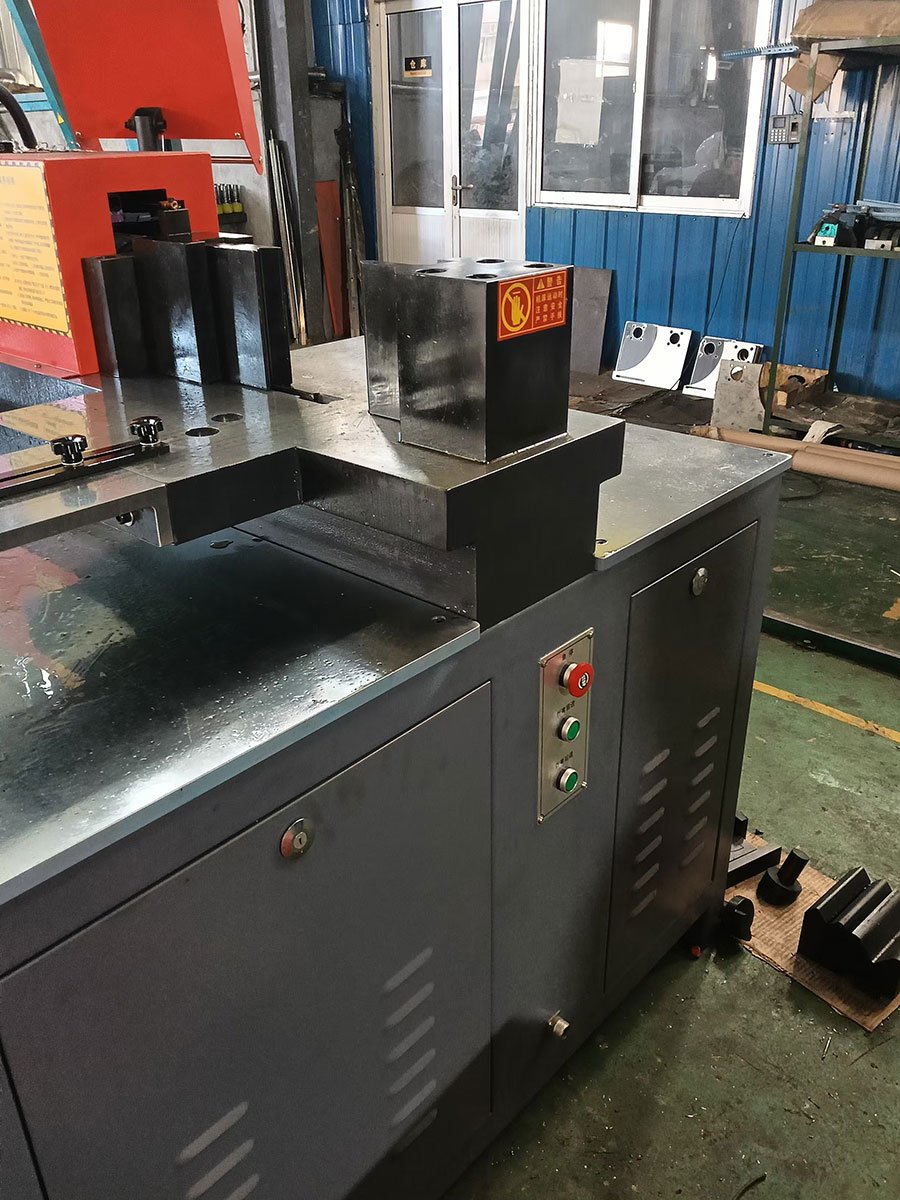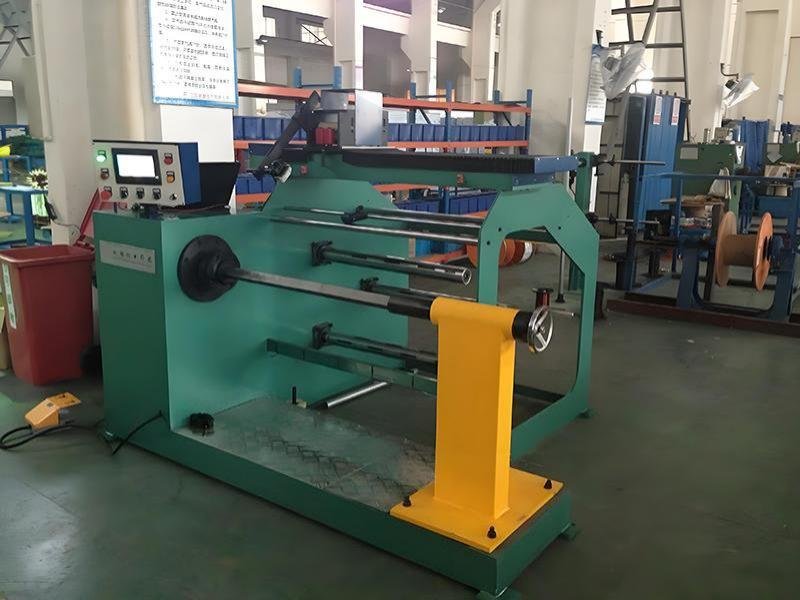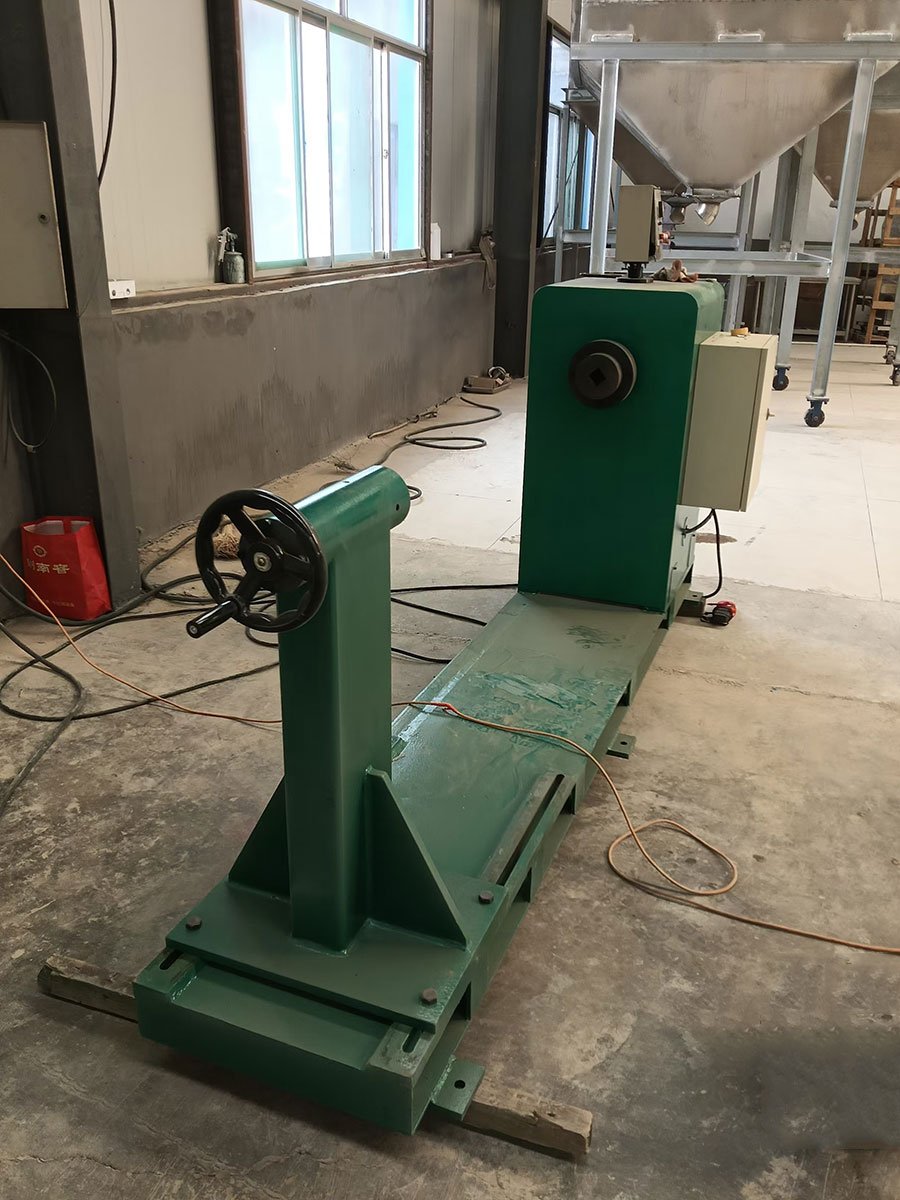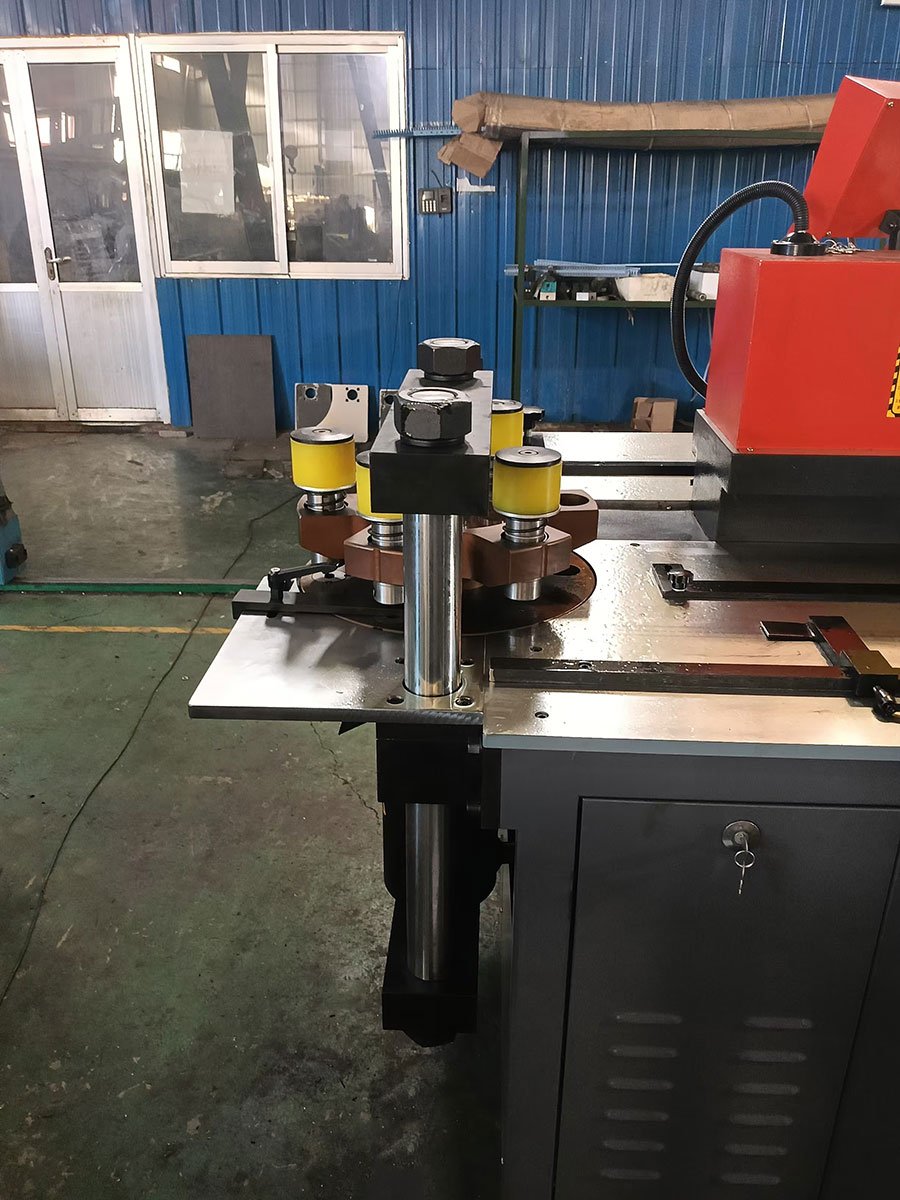
In the dynamic landscape of modern manufacturing and industrial production, efficiency, reliability, and adaptability are not just desirable traits—they are non-negotiable requirements for equipment that drives critical operations. Among the unsung heroes of industrial infrastructure, busbar processing machines stand out as pivotal tools, responsible for shaping, cutting, punching, and bending the copper or aluminum busbars that serve as the “nervous system” of power distribution in factories, power plants, switchgear facilities, and construction sites. What elevates these machines from mere tools to industrial workhorses is their inherent ability to adapt to the harsh, variable, and high-demand conditions of industrial on-site environments. For businesses navigating the global marketplace, investing in busbar processing machines tailored to on-site operations is not just a choice but a strategic imperative that directly impacts productivity, safety, and long-term profitability.
Industrial on-site environments are inherently challenging, characterized by fluctuating workloads, space constraints, varying power supply conditions, and exposure to dust, vibrations, and temperature extremes. Unlike controlled workshop settings, on-site operations demand equipment that can thrive amid chaos—machines that are robust enough to withstand rigorous use, flexible enough to handle diverse tasks, and compact enough to fit into tight spaces. Busbar processing machines designed for on-site adaptability are engineered to meet these exact demands, integrating features that bridge the gap between performance and practicality. For instance, portable and compact models eliminate the need for fixed workstations, allowing operators to move the machine directly to the busbar installation location, reducing material handling time and minimizing the risk of damage to sensitive components during transportation. This mobility is particularly critical in large-scale projects such as power plant construction or industrial facility expansions, where efficiency and time savings translate directly to cost reductions.
Reliability is another cornerstone of on-site adaptability for busbar processing machines. Industrial operations cannot afford unplanned downtime—even a single machine failure can disrupt entire production lines, leading to costly delays and lost revenue. Machines built for on-site use are constructed with high-grade materials, reinforced structures, and durable components that resist wear and tear from continuous operation. For example, heavy-duty steel frames dampen vibrations caused by high-speed punching or cutting, ensuring precision even in unstable on-site conditions. Additionally, advanced cooling systems prevent overheating during extended use, while dust and moisture-resistant enclosures protect internal mechanisms from the harsh elements commonly found in industrial settings. These design choices not only extend the machine’s lifespan but also ensure consistent performance, even in the most demanding scenarios. For international buyers sourcing equipment for global projects, this reliability is a key factor in minimizing maintenance costs and maximizing return on investment.
Versatility is equally essential for busbar processing machines operating in industrial on-site environments, where tasks can vary drastically from one project to the next. A single on-site job may require processing busbars of different thicknesses, widths, and materials—from thin aluminum strips for low-voltage applications to thick copper bars for high-power distribution. Adaptable machines address this challenge with modular designs that support multiple functions, such as integrated punching, cutting, and bending capabilities, eliminating the need for separate equipment. Quick-change tooling systems allow operators to switch between tasks in minutes, while adjustable settings accommodate a wide range of busbar specifications. This versatility not only streamlines operations but also reduces the need for multiple machine purchases, making it a cost-effective solution for businesses with diverse project requirements. For外贸 businesses (foreign trade businesses) targeting global markets, offering versatile busbar processing machines ensures appeal to a broad customer base, from small workshops to large industrial conglomerates.
Safety is a non-negotiable priority in any industrial setting, and on-site environments—with their dynamic workflows and potential hazards—demand equipment that prioritizes operator protection. Busbar processing machines designed for on-site use integrate comprehensive safety features that comply with international standards, such as emergency stop buttons, safety guards, and overload protection systems. Advanced models may also include automated safety interlocks that prevent operation when guards are open, reducing the risk of accidents. Additionally, ergonomic designs minimize operator fatigue during long shifts, with features such as adjustable worktables, comfortable grips, and low-effort controls. These safety measures not only protect workers but also help businesses avoid liability issues and comply with strict occupational health and safety regulations in different countries. For global buyers, adherence to international safety standards is a critical consideration, as non-compliant equipment can lead to costly delays in project approval or even legal consequences.
The adaptability of busbar processing machines to industrial on-site conditions also extends to their compatibility with modern industrial technologies, enabling seamless integration into smart manufacturing ecosystems. Many on-site machines are equipped with digital controls, touchscreen interfaces, and connectivity features that allow for remote monitoring, parameter adjustment, and data collection. This connectivity enables operators to track machine performance in real time, identify potential issues before they escalate, and optimize workflows for maximum efficiency. For example, IoT-enabled machines can send alerts to maintenance teams when parts need replacement, reducing downtime and ensuring proactive upkeep. Additionally, compatibility with CAD software allows for precise programming of complex busbar shapes, ensuring accuracy and consistency in large-scale production. In an era where Industry 4.0 is transforming industrial operations, busbar processing machines that embrace digitalization and connectivity are not just adaptable—they are future-proof, helping businesses stay competitive in a rapidly evolving global market.
For manufacturers and suppliers of busbar processing machines, emphasizing on-site adaptability is a strategic approach to capturing global market share. The global demand for reliable, versatile, and safe industrial equipment is on the rise, driven by infrastructure development projects in emerging economies and the modernization of existing facilities in developed countries. By highlighting features such as portability, durability, versatility, safety, and digital connectivity, suppliers can position their products as the ideal solution for on-site operations across industries. Case studies and testimonials from satisfied customers—such as a power plant that reduced installation time by 30% using a portable busbar processing machine or a manufacturing facility that improved precision while cutting maintenance costs—serve as powerful evidence of the machines’ on-site performance. Additionally, offering customization options, such as tailored tooling or specialized configurations for specific industries, allows suppliers to meet the unique needs of global customers, further enhancing their market appeal.
In conclusion, busbar processing machines that are designed to adapt to industrial on-site environments are indispensable assets for modern industrial operations. Their ability to thrive in harsh conditions, deliver consistent performance, handle diverse tasks, ensure operator safety, and integrate with advanced technologies makes them a critical investment for businesses worldwide. For global buyers, choosing on-site adaptable busbar processing machines is a decision that drives efficiency, reduces costs, and mitigates risks, ultimately contributing to the success of their projects. For suppliers, focusing on on-site adaptability is the key to unlocking global opportunities, meeting the evolving needs of the industrial sector, and establishing a reputation for quality and reliability in the international marketplace. As industrial operations continue to evolve and expand, the demand for busbar processing machines that can keep pace with on-site challenges will only grow—solidifying their role as the backbone of global industrial infrastructure.