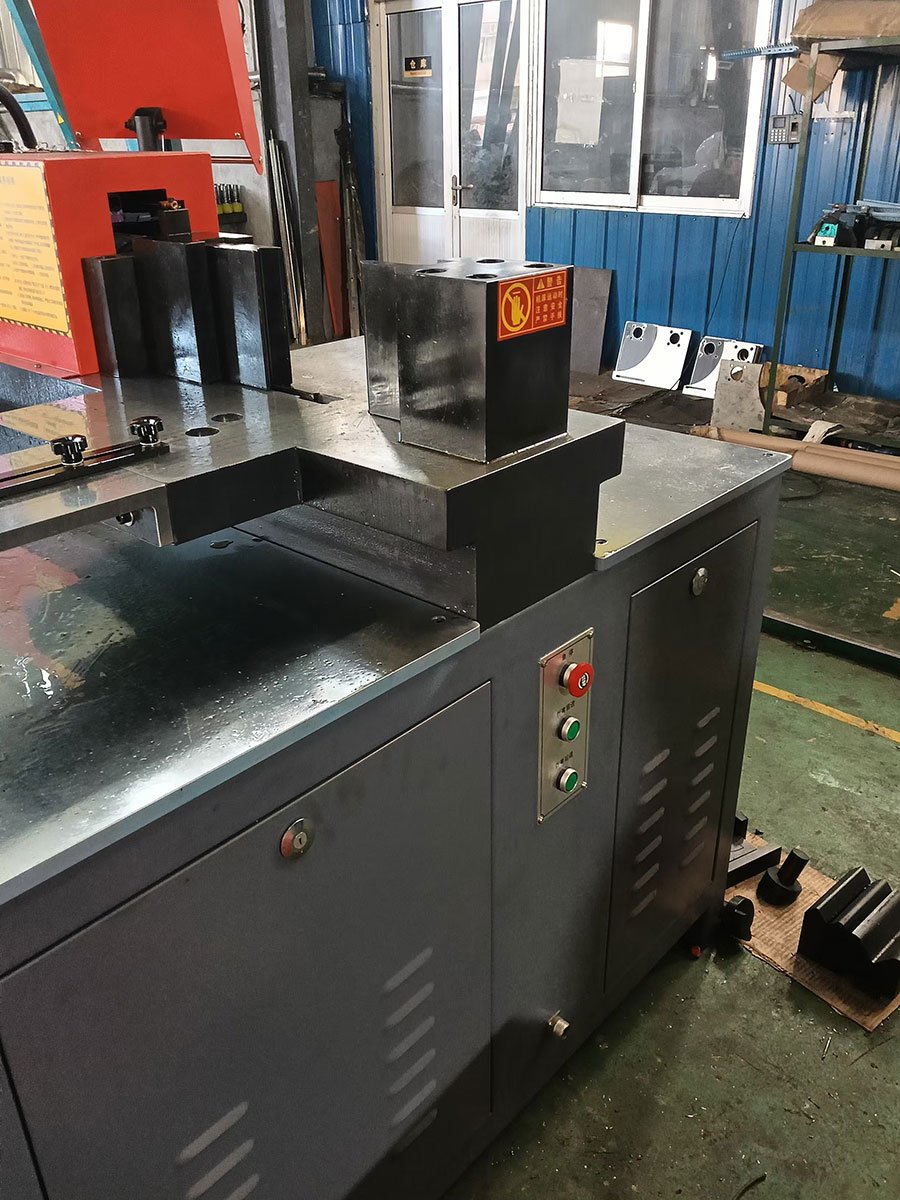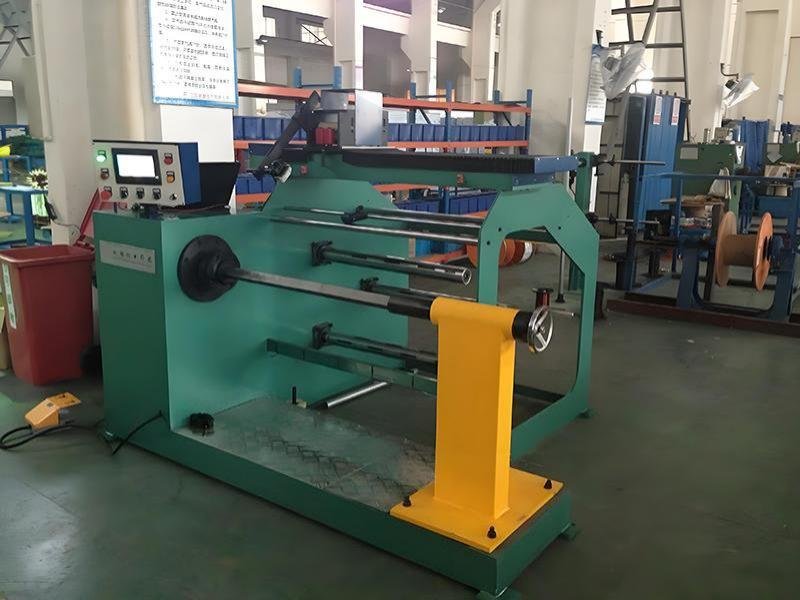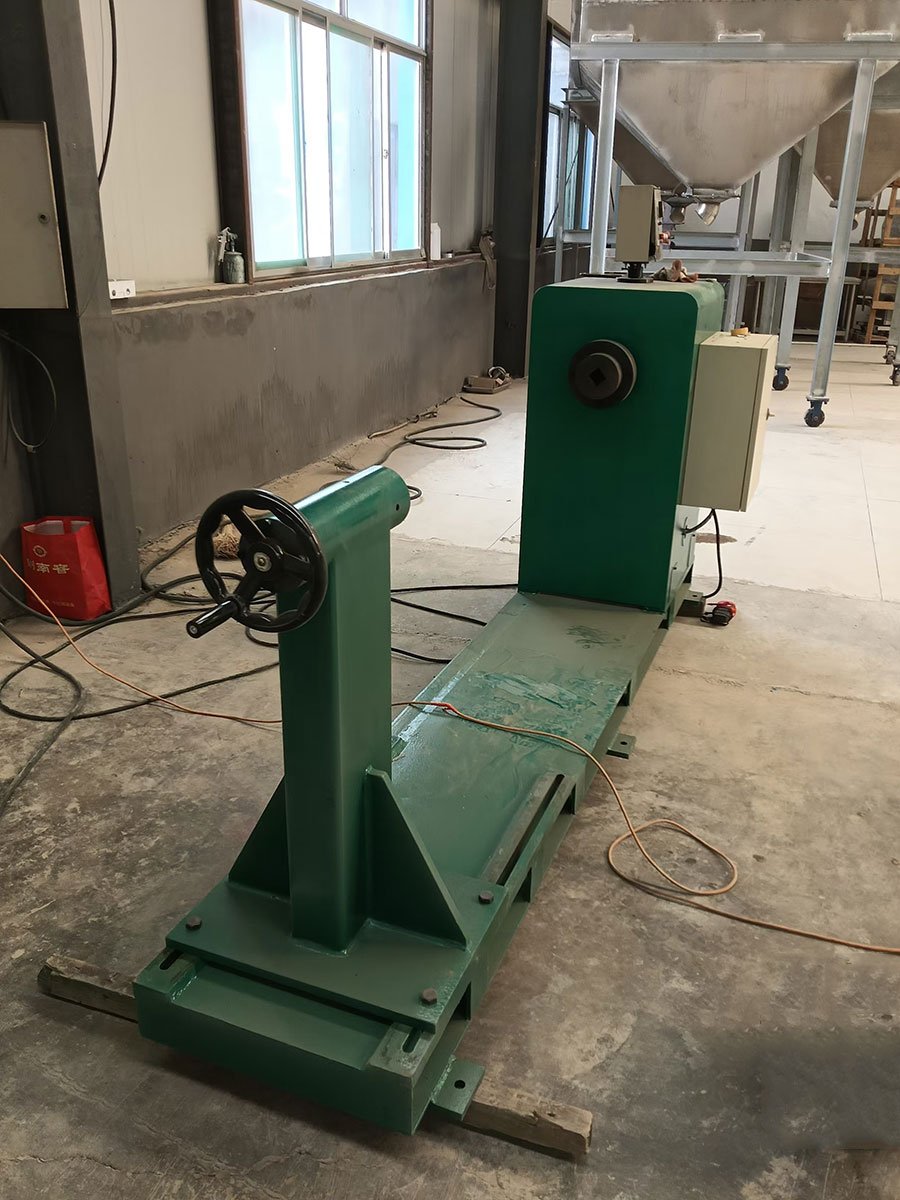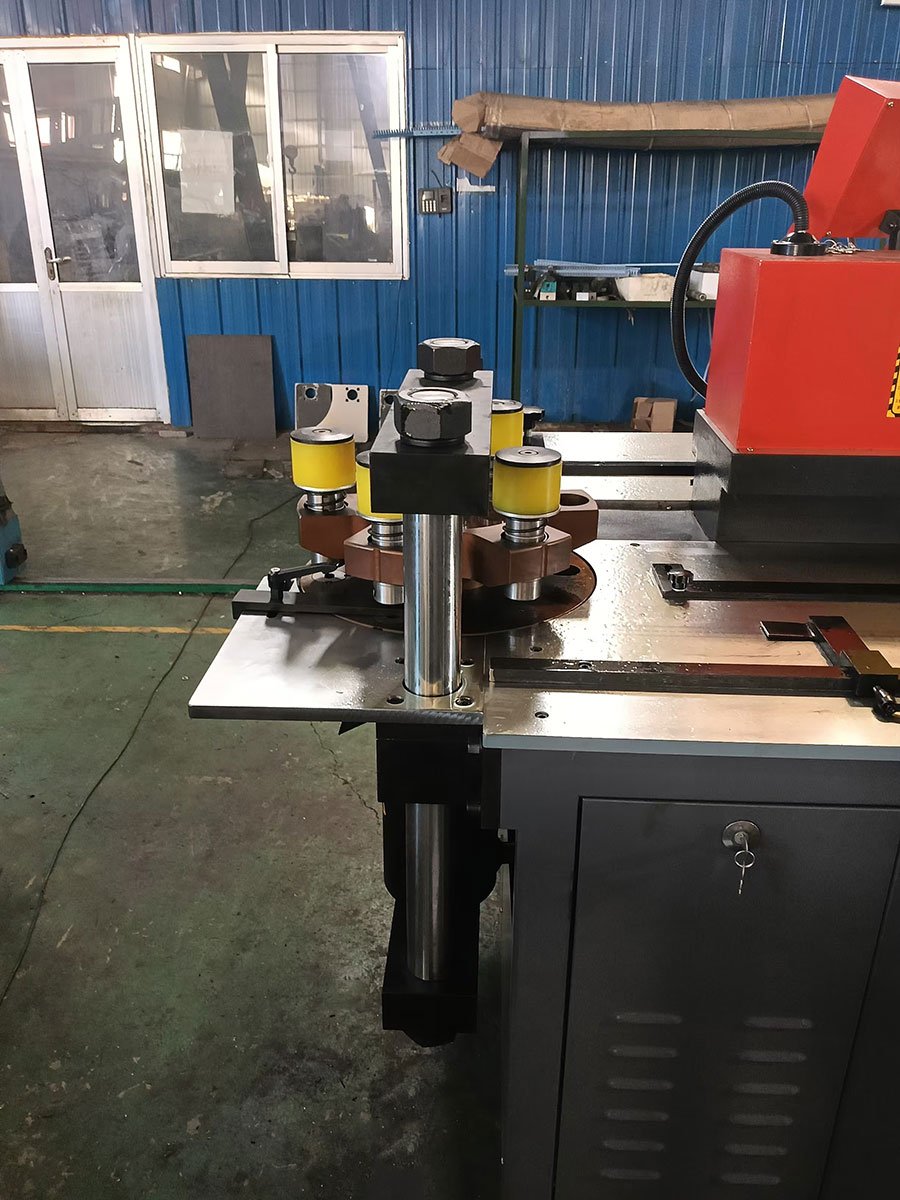
In modern electrical manufacturing, the busbar machine has become an indispensable tool for producing efficient and high-quality power distribution components. Whether used in switchgear, control panels, or substations, the machine’s ability to cut, punch, and bend copper or aluminum busbars with precision determines the productivity and reliability of the entire production line. However, among all performance indicators, reliability during operation stands as the most critical factor that defines the true value of a busbar machine.
1. Why Reliability Matters More Than Speed or Precision
Many manufacturers promote their machines by emphasizing speed, automation, or extreme precision. Yet, these features lose significance if the machine cannot perform consistently without downtime. A reliable busbar machine is one that operates continuously, maintains stable performance, and delivers consistent results across thousands of cycles of cutting, punching, and bending.
Unreliable machines not only cause production delays but also lead to waste of materials and increased maintenance costs. For example, a minor fault during the cutting process could damage copper busbars, while inconsistent punching forces might cause deformation or burrs. Similarly, unreliable bending accuracy could lead to misaligned holes or improper installation during assembly. Each of these problems affects the final quality of electrical panels, increasing rework rates and labor costs.
2. The Core of Reliability: Mechanical and Control Stability
Reliability begins with solid mechanical design and robust control systems. In busbar processing, the three major functions—cutting, punching, and bending—each require precise coordination between hydraulics, servo motors, and control electronics.
- Cutting: The cutting station must deliver strong and uniform pressure to ensure a clean edge without deformation. A reliable hydraulic system prevents fluctuations in force, which can cause uneven cuts or tool damage.
- Punching: During punching operations, stability in force and alignment is crucial. Any slight misalignment can lead to hole offset, which compromises the fit during assembly. High-quality sensors and motion controllers help ensure every punch is consistent.
- Bending: The bending unit must maintain repeatable angles and smooth motion. Poor control synchronization can cause overbending or spring-back errors. Reliable machines incorporate feedback systems to continuously correct positioning, guaranteeing stable bending angles over long-term use.
Therefore, true reliability is not achieved through one single component but through the perfect integration of mechanics, electronics, and software.
3. The Role of Materials and Tooling in Reliable Operation
The durability of the tools used in cutting, punching, and bending also determines the long-term reliability of the busbar machine. High-quality blades, dies, and bending molds made from hardened steel can withstand the repeated stress of industrial production.
Regular tool maintenance and timely replacement further enhance reliability. A dull cutting blade can introduce unwanted stress on the copper bar, while a worn punching die may cause burrs or cracks. By maintaining sharp, clean, and well-lubricated tools, operators can ensure consistent quality and minimize machine wear.
Furthermore, proper material selection for the machine’s structural frame contributes to reliability. Heavy-duty welded steel frames reduce vibration, ensuring that all three processes—cutting, punching, and bending—remain stable even under high workloads.
4. Intelligent Control Systems and Preventive Maintenance
The rise of digital technology has brought smart control systems to modern busbar machines. These systems monitor temperature, pressure, and cycle counts in real time, allowing early detection of potential faults. For instance, if a punching cylinder exhibits abnormal pressure readings, the system can automatically alert the operator before any damage occurs.
Preventive maintenance is another essential part of reliability. Instead of waiting for failures, modern busbar machines can schedule maintenance based on operation hours or tool wear levels. This approach minimizes downtime and ensures continuous productivity. Predictive analytics, combined with IoT connectivity, can further enhance reliability by providing data-driven insights into component life cycles.
5. Operator Training and Human Factors
Even the most advanced busbar machine cannot perform reliably without skilled human operation. Reliability is influenced not only by mechanical stability but also by how the machine is used, maintained, and monitored. Operators must be trained to handle each step of cutting, punching, and bending correctly, understand warning indicators, and follow standard operating procedures.
Misoperation—such as setting incorrect bending angles or applying excessive punching force—can quickly lead to damage or inconsistent results. Therefore, user-friendly interfaces and clear programming logic are essential to prevent human error. Reliable busbar machines often include digital touchscreens, automatic positioning systems, and memory storage for multiple processing programs, ensuring accuracy and repeatability.
6. The Impact of Reliability on Production Efficiency
A reliable busbar machine is more than just a piece of equipment—it is the foundation of efficient production. When the cutting, punching, and bending stations run smoothly, the production flow remains continuous, and delivery times can be accurately predicted. This not only improves productivity but also strengthens a manufacturer’s reputation for quality and dependability.
Conversely, unreliable machines lead to unpredictable downtime, lost productivity, and missed deadlines. For companies competing in the global switchgear and electrical equipment market, such interruptions can result in significant financial loss. Reliability, therefore, directly translates into competitiveness.
7. Testing and Quality Assurance in Reliable Busbar Machines
To guarantee reliability, manufacturers must subject their machines to rigorous quality control tests before delivery. Each function—cutting, punching, and bending—should be tested under maximum load conditions to verify stability and precision. Long-term endurance tests can identify weak components, while calibration routines ensure consistent performance over time.
Additionally, reliable manufacturers document every stage of testing and provide detailed maintenance guidelines. This transparency gives users confidence that their machines will perform as expected under continuous industrial use.
8. The Future of Reliable Busbar Processing
Looking ahead, reliability in busbar machines will continue to improve through technological innovation. The integration of artificial intelligence, advanced servo systems, and automated quality monitoring will make cutting, punching, and bending operations more efficient and predictable.
Future machines may self-adjust tool parameters based on wear detection, automatically compensate for material variations, and even communicate with factory networks for real-time performance optimization. These innovations will push reliability to new heights while reducing maintenance costs and energy consumption.
Conclusion
While speed, accuracy, and automation are important features of modern busbar machines, reliability remains the foundation that determines their real-world value. A machine that can perform thousands of cycles of cutting, punching, and bending without failure ensures consistent product quality, stable production, and lower operating costs.
Investing in a reliable busbar machine is not just about choosing the right equipment—it’s about ensuring long-term productivity and success. In the evolving field of electrical manufacturing, reliability is not an option; it is a necessity that defines the difference between ordinary production and sustainable excellence.